
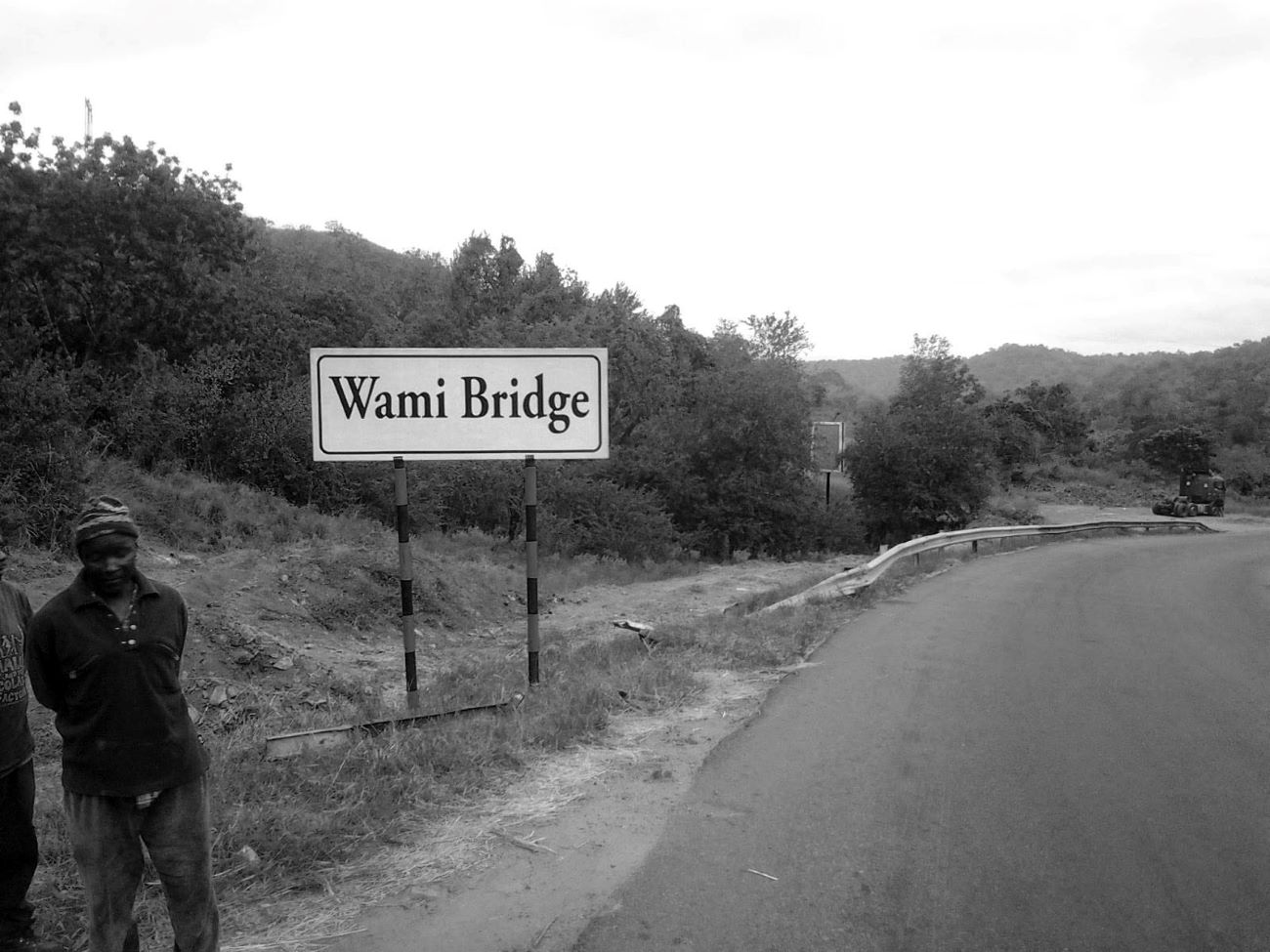
Introduction to the Wami Bridge
Nestled amidst the lush landscapes of Pwani, the Wami Bridge stands as a testament to the ingenuity and resilience of the local community. This awe-inspiring structure has been a vital link, connecting people, cultures, and economic opportunities for generations. As you embark on a journey to explore this architectural marvel, prepare to be captivated by its rich history, stunning design, and the transformative impact it has had on the surrounding region.
Historical Significance of the Wami Bridge
The origins of the Wami Bridge can be traced back to the 1959, when the local government recognized the need to facilitate seamless transportation and commerce across the Wami River. Constructed through a collaborative effort between skilled engineers, architects, and the community, the bridge quickly became a symbol of unity and progress. Over the decades, the Wami Bridge has witnessed the ebb and flow of historical events, serving as a silent witness to the region’s evolution.
Architectural Marvel of the Wami Bridge
One of the most striking features of the Wami Bridge is its breathtaking architectural design. Spanning a length of 88.75 meters and standing at an impressive height, the bridge is a true engineering masterpiece. The intricate blend of traditional construction techniques and modern engineering principles has resulted in a structure that is both visually stunning and structurally sound. The graceful arches, elegant pillars, and meticulous attention to detail have earned the Wami Bridge recognition as a true architectural gem.
Connecting Communities: Importance of the Wami Bridge
The Wami Bridge has played a pivotal role in connecting communities on both sides of the river. It has facilitated the exchange of goods, services, and ideas, fostering economic growth and cultural exchange. Farmers, traders, and artisans have all benefited from the increased accessibility and connectivity provided by the bridge, empowering them to expand their reach and improve their livelihoods.
Tourism Opportunities around the Wami Bridge
The Wami Bridge has become a magnet for tourists, who are drawn to its captivating beauty and the rich cultural heritage that surrounds it. Visitors can explore the nearby [attraction 1], [attraction 2], and [attraction 3], immersing themselves in the local traditions and experiencing the vibrant community that thrives in the shadow of this iconic structure. The bridge itself has become a popular destination for photographers, offering breathtaking vantage points and stunning backdrops for capturing the essence of the region.
How the Wami Bridge has Transformed Transportation
Prior to the construction of the Wami Bridge, crossing the river was a arduous and time-consuming endeavor, often requiring the use of ferries or perilous makeshift bridges. The Wami Bridge has revolutionized transportation in the region, providing a safe, efficient, and reliable passage for vehicles, pedestrians, and even livestock. This improved connectivity has had a profound impact on the local economy, facilitating the movement of goods and services, and reducing travel times for commuters and businesses.
Maintenance and Preservation Efforts for the Wami Bridge
Recognizing the importance of the Wami Bridge, local authorities and community organizations have dedicated themselves to its ongoing maintenance and preservation. Regular inspections, structural reinforcements, and aesthetic enhancements ensure that this architectural marvel remains a source of pride and a beacon of progress for generations to come. The community’s commitment to safeguarding the bridge is a testament to its enduring significance and the deep-rooted connection that the people share with this iconic landmark.
Local Legends and Stories Surrounding the Wami Bridge
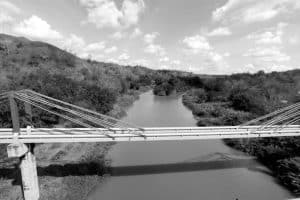
Woven into the fabric of the Wami Bridge are countless tales and legends that have been passed down through the generations. Local folklore speaks of the bridge’s construction being guided by the wisdom of elders and the blessings of the spirits that watch over the land. Stories of love, triumph, and even supernatural occurrences have become inextricably linked to the bridge, adding to its mystique and captivating the imaginations of all who encounter it.
The Future of the Wami Bridge
As the Wami Bridge continues to stand tall, the community looks to the future with a renewed sense of purpose and optimism. Plans are underway to expand the bridge’s capacity, incorporate sustainable transportation initiatives, and further integrate it into the region’s cultural and economic landscape. The Wami Bridge is not merely a physical structure, but a symbol of the community’s resilience, ingenuity, and unwavering commitment to progress. As you gaze upon this remarkable landmark, you can’t help but feel a sense of wonder and anticipation for the countless possibilities that lie ahead.
Conclusion: Celebrating the Legacy of the Wami Bridge
The Wami Bridge is more than just a structure that spans a river; it is a testament to the enduring spirit of the local community. Through its rich history, architectural brilliance, and transformative impact, this iconic landmark has become a source of pride, unity, and inspiration for all who encounter it. As you leave the Wami Bridge behind, carry with you the stories, the memories, and the unwavering sense of connection that this remarkable structure has fostered. The Wami Bridge stands as a shining example of what can be achieved when a community comes together, united in their pursuit of progress and the preservation of their heritage.
As you plan your next adventure, be sure to add the Wami Bridge to your itinerary. Discover the captivating history, immerse yourself in the local culture, and witness firsthand the transformative power of this remarkable landmark.
For more information on infrastructure click here!


![Understanding Road Signs in Tanzania: A Comprehensive Guide to Navigating Safely "Understanding Road Signs in Tanzania: A Comprehensive Guide to Navigating Safely Photo by geralt on Pixabay "## Introduction to Road Signs in Tanzania As you prepare to explore the vibrant landscapes and bustling cities of Tanzania, familiarizing yourself with the country's road signs is an essential step towards a safe and enjoyable journey. Tanzania's road network is extensive, winding through diverse terrain, from the iconic Serengeti to the towering Mount Kilimanjaro. Understanding the unique road signs and traffic regulations in Tanzania will empower you to navigate these roads confidently, ensuring a seamless and secure travel experience. Importance of Understanding Road Signs Road signs in Tanzania serve as crucial guideposts, informing drivers and pedestrians of essential information, regulations, and potential hazards. By familiarizing yourself with the various types of road signs and their meanings, you can better anticipate and respond to traffic situations, making informed decisions that prioritize safety. This knowledge not only enhances your personal well-being but also contributes to the overall safety of all road users, fostering a more harmonious and efficient transportation system in Tanzania. Regulatory Road Signs in Tanzania Regulatory road signs in Tanzania are designed to inform drivers and pedestrians of the rules and laws that must be followed on the roads. These signs are typically circular in shape and use a combination of symbols, text, and colors to convey their message. Some common examples include: Speed Limit Signs: These signs indicate the maximum speed limit allowed on a particular road section, ensuring the safe flow of traffic. Stop Signs: Octagonal in shape, these signs require drivers to come to a complete stop before proceeding. One-Way Signs: These signs clearly indicate the direction of traffic flow, helping to maintain order and prevent collisions. No Entry Signs: Triangular in shape, these signs prohibit vehicles from entering a specific road or area. Familiarizing yourself with these regulatory signs and strictly adhering to their instructions is crucial for maintaining safety and avoiding potential fines or legal consequences. Warning Road Signs in Tanzania Warning road signs in Tanzania are designed to alert drivers and pedestrians to potential hazards or upcoming changes in road conditions. These signs are typically diamond-shaped and use a combination of symbols, text, and colors to convey their message. Some common examples include: Curve Signs: These signs warn drivers of an upcoming curve in the road, allowing them to adjust their speed and maneuver accordingly. Pedestrian Crossing Signs: These signs indicate the presence of a designated pedestrian crossing, reminding drivers to be vigilant and yield to pedestrians. Slippery Road Signs: These signs warn drivers of potentially slippery road conditions, such as during wet weather or on unpaved surfaces, prompting them to exercise caution. Steep Gradient Signs: These signs alert drivers to an upcoming steep incline or decline, allowing them to prepare their vehicles for the change in terrain. By recognizing and heeding these warning signs, you can anticipate potential hazards and adjust your driving behavior to ensure a safe journey. Informational Road Signs in Tanzania Informational road signs in Tanzania provide drivers and pedestrians with valuable guidance and assistance. These signs are typically rectangular in shape and use a combination of symbols, text, and colors to convey their message. Some common examples include: Direction Signs: These signs indicate the direction and distance to various destinations, helping you navigate the road network. Place Name Signs: These signs identify the names of cities, towns, and villages, allowing you to orient yourself and plan your route accordingly. Tourist Attraction Signs: These signs highlight the locations of popular tourist destinations, making it easier for you to access and explore the country's natural and cultural wonders. Service Signs: These signs indicate the availability of essential services, such as gas stations, rest areas, and hospitals, ensuring you can access the resources you need during your travels. By familiarizing yourself with these informational signs, you can plan your journey more effectively, make informed decisions, and enjoy a seamless and enriching travel experience in Tanzania. Understanding Road Markings in Tanzania In addition to road signs, understanding the road markings in Tanzania is crucial for safe navigation. These markings are painted on the road surface and provide visual cues to drivers and pedestrians. Some common examples include: Lane Markings: These lines, both solid and dashed, delineate the boundaries of traffic lanes, helping to maintain order and prevent collisions. Crosswalk Markings: These markings indicate designated pedestrian crossing areas, alerting drivers to the presence of pedestrians and their right-of-way. Stop Lines: These solid lines across the road surface signal the point at which drivers must come to a complete stop. Center Lines: These lines, either solid or dashed, separate opposing directions of traffic flow, guiding drivers and preventing head-on collisions. By being attentive to these road markings and following their instructions, you can navigate the Tanzanian roads with greater confidence and safety. Tips for Navigating Safely on Tanzanian Roads To ensure a safe and enjoyable journey on Tanzanian roads, consider the following tips: Familiarize Yourself with the Road Signs: Before your trip, take the time to review and understand the various types of road signs you may encounter in Tanzania. This will help you anticipate and respond to traffic situations more effectively. Observe the Speed Limits: Adhere to the posted speed limits, as they are in place to maintain the safety of all road users. Speeding can not only result in fines but also significantly increase the risk of accidents. Be Vigilant for Pedestrians and Wildlife: Tanzania's roads often traverse areas with high pedestrian activity and the occasional presence of wildlife. Remain alert and prepared to react accordingly to avoid collisions. Adapt to Changing Road Conditions: Tanzanian roads can be affected by weather, construction, or other factors that may require you to adjust your driving behavior. Stay attentive to road signs and markings, and be prepared to slow down or take alternative routes when necessary. Respect Traffic Signals and Signs: Strictly follow all traffic signals, stop signs, and other regulatory signs to ensure the safety of yourself and others on the road. Stay Focused and Avoid Distractions: Driving in Tanzania requires your full attention. Refrain from using your mobile phone, adjusting the radio, or engaging in other activities that could divert your focus from the road. By incorporating these tips into your driving habits, you can navigate the Tanzanian roads with confidence and contribute to the overall safety of the transportation network. Road Sign Recognition Quiz Test your knowledge of Tanzanian road signs by taking this interactive quiz: What does this sign indicate? [Image of a stop sign] Which sign warns drivers of an upcoming curve in the road? [Image of a curve warning sign] How would you interpret this road marking? [Image of a pedestrian crossing] What is the meaning of this informational sign? [Image of a direction sign] Answers: This octagonal sign indicates that drivers must come to a complete stop before proceeding. The diamond-shaped sign with a curved arrow warns drivers of an upcoming curve in the road. The parallel lines painted on the road surface mark a designated pedestrian crossing, where drivers must yield to pedestrians. This rectangular sign provides directional information, indicating the distance and direction to various destinations. Resources for Learning More about Road Signs in Tanzania If you'd like to further enhance your knowledge of road signs in Tanzania, consider exploring the following resources: The official website of the Tanzanian Road Traffic Act, which outlines the country's traffic laws and regulations: [www.tanroads.go.tz/traffic-act] The Tanzanian National Roads Agency's guide to road signs and markings: [www.tanroads.go.tz/road-signs] Online tutorials and videos that demonstrate the meanings of common Tanzanian road signs: [www.youtube.com/tanzaniaroadsigns] Travel blogs and forums that provide firsthand accounts and tips from travelers who have navigated the Tanzanian road network: [www.travelforums.com/tanzania-roads] By understanding the road signs and traffic regulations in Tanzania, you can navigate the country's roads with confidence and ensure a safe and enjoyable travel experience. To learn more about planning your trip to Tanzania, be sure to check out our comprehensive travel guides and resources. Start planning your adventure today! Conclusion Navigating the roads of Tanzania requires a keen understanding of the country's unique road signs and traffic regulations. By familiarizing yourself with the various types of regulatory, warning, and informational signs, as well as the road markings, you can confidently and safely explore the diverse landscapes and vibrant cities that Tanzania has to offer. Remember to observe speed limits, stay vigilant for pedestrians and wildlife, and respect all traffic signals and signs. With this knowledge in hand, you can embark on your Tanzanian journey with the peace of mind that comes from being a responsible and informed road user. Regulatory and informational road signs in Tanzania including stop sign speed limits and directions](https://unitedrepublicoftanzania.com/wp-content/uploads/2024/08/Signs-in-Tanzania-218x150.jpg)


