



Introduction to Kilombero Bridge
Nestled in the heart of Tanzania, the Kilombero Bridge stands as a testament to human ingenuity and the power of infrastructure to transform lives. This remarkable structure, spanning the Kilombero River, has become a symbol of progress and unity, connecting communities and enhancing connectivity in the region.
As you embark on this journey, prepare to be captivated by the sheer grandeur of Kilombero Bridge and the profound impact it has had on the lives of the people it serves. From its construction to its ongoing significance, this bridge has woven itself into the fabric of the local community, becoming a source of pride and a catalyst for growth.
The Significance of Kilombero Bridge
Kilombero Bridge is more than just a physical structure; it is a vital link that has transformed the lives of the people living in the surrounding areas. Prior to its construction, the Kilombero River posed a significant challenge, often becoming impassable during the rainy season, hindering the movement of people, goods, and essential services.
The completion of the Kilombero Bridge has revolutionized the region, providing a reliable and efficient means of transportation. This has had a profound impact on the local economy, enabling the seamless flow of agricultural products, facilitating access to markets, and fostering greater economic opportunities for the community.
Connecting Communities through Kilombero Bridge
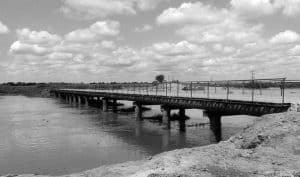
The Kilombero Bridge has become a symbol of unity, connecting communities that were once separated by the formidable Kilombero River. This vital infrastructure has enabled the free movement of people, allowing them to access essential services, visit loved ones, and participate in cultural events with ease.
The bridge has also facilitated the exchange of ideas, knowledge, and resources, fostering a sense of connectivity and collaboration among the diverse communities living on either side of the river. This has led to the strengthening of social ties, the preservation of cultural traditions, and the promotion of mutual understanding and respect.
Enhancing Connectivity with Kilombero Bridge
The Kilombero Bridge has not only connected communities but has also enhanced connectivity on a larger scale. By providing a reliable and efficient means of transportation, the bridge has improved access to regional and national markets, enabling the seamless movement of goods and services.
This enhanced connectivity has had a ripple effect, boosting the local economy and opening up new opportunities for businesses and entrepreneurs. Farmers, for instance, can now transport their produce to distant markets, while small-scale traders can expand their reach and access a broader customer base.
Furthermore, the improved connectivity has facilitated access to essential services, such as healthcare and education, ensuring that the local population can access these resources with greater ease and efficiency.
The Construction Process of Kilombero Bridge
The construction of the Kilombero Bridge was a monumental undertaking, involving the coordination of various stakeholders, the mobilization of resources, and the application of cutting-edge engineering techniques.
The project was spearheaded by the Tanzanian government, with support from international development partners and local communities. The construction process was meticulously planned, taking into account the unique geographical and environmental challenges posed by the Kilombero River.
The bridge was constructed using a combination of reinforced concrete and steel, ensuring its structural integrity and long-term durability. The construction team faced numerous challenges, including navigating the complex terrain, managing the flow of the river, and ensuring the safety of the workers.
Despite these obstacles, the project was completed with remarkable efficiency, showcasing the dedication and expertise of the construction team.
The Impact of Kilombero Bridge on the Local Economy
The Kilombero Bridge has had a transformative impact on the local economy, catalyzing growth and development in the surrounding regions. By facilitating the seamless movement of goods and services, the bridge has opened up new markets and created numerous economic opportunities for the local population.
Farmers, for instance, have benefited from the improved access to markets, allowing them to sell their produce at more competitive prices and increase their income. Small-scale businesses, such as trading enterprises and service providers, have also experienced a surge in activity, as they can now reach a broader customer base and expand their operations.
The bridge has also attracted new investments, as businesses and entrepreneurs recognize the potential for growth and development in the region. This has led to the creation of new jobs and the diversification of the local economy, reducing the reliance on traditional agricultural activities.
Moreover, the improved connectivity has also enhanced access to essential services, such as healthcare and education, which has had a positive impact on the overall well-being of the local community.
Kilombero Bridge as a Tourist Attraction

In addition to its economic and social benefits, the Kilombero Bridge has also emerged as a popular tourist attraction, drawing visitors from around the world to marvel at its engineering prowess and scenic surroundings.
The bridge’s strategic location, nestled amidst lush, verdant landscapes and the meandering Kilombero River, has made it a must-visit destination for adventure-seekers and nature enthusiasts. Visitors can engage in a variety of activities, such as river cruises, birdwatching, and hiking, all while enjoying the breathtaking views of the bridge and its surrounding environment.
The influx of tourists has also created new economic opportunities for the local community, with the emergence of small-scale businesses, such as tour operators, accommodation providers, and artisanal workshops. This has not only diversified the local economy but has also contributed to the preservation of cultural traditions and the promotion of sustainable tourism practices.
Challenges Faced During the Construction of Kilombero Bridge
The construction of the Kilombero Bridge was not without its challenges, as the project team navigated a complex web of logistical, environmental, and financial hurdles.
One of the primary challenges was the remote and rugged terrain of the Kilombero River basin, which made the transportation of materials and equipment a daunting task. The team had to devise innovative solutions to ensure the smooth delivery of resources, often relying on a combination of land, air, and water-based transportation methods.
Additionally, the project faced environmental challenges, as the construction team had to manage the fluctuating water levels of the Kilombero River and mitigate the impact of the project on the surrounding ecosystem. This required meticulous planning and the implementation of sustainable construction practices to minimize the project’s ecological footprint.
Financial constraints were another significant challenge, as the project required substantial investment to ensure its successful completion. The team worked closely with government agencies and international development partners to secure the necessary funding and ensure the project’s financial viability.
Despite these challenges, the project team’s resilience, ingenuity, and commitment to the local community ensured the successful completion of the Kilombero Bridge, paving the way for a brighter future.
Future Plans for Kilombero Bridge
As the Kilombero Bridge continues to serve the local community, there are ongoing plans and initiatives to further enhance its capabilities and impact.
One of the key focus areas is the expansion and upgrading of the bridge’s infrastructure, which will involve the construction of additional lanes, the improvement of access roads, and the enhancement of safety features. These upgrades will not only increase the bridge’s capacity to handle the growing volume of traffic but will also improve the overall user experience for both local residents and visitors.
In addition to the physical infrastructure improvements, there are also plans to integrate the Kilombero Bridge into a broader regional transportation network. This will involve the construction of feeder roads and the establishment of intermodal hubs, allowing for the seamless connection of the bridge to other modes of transportation, such as rail and air.
Furthermore, there are initiatives to promote the Kilombero Bridge as a hub for economic development, attracting investments and fostering the growth of new businesses in the surrounding regions. This will involve the development of industrial parks, the establishment of logistics centers, and the implementation of targeted policies to support entrepreneurship and innovation.
These future plans for the Kilombero Bridge demonstrate the commitment of the Tanzanian government and its partners to continuously enhance the bridge’s impact on the local community and to position it as a key driver of regional economic growth and development.
Conclusion: The Lasting Impact of Kilombero Bridge on the Local Community
The Kilombero Bridge stands as a testament to the power of infrastructure to transform lives and communities. Through its construction, this remarkable structure has not only connected communities but has also catalyzed economic growth, enhanced connectivity, and fostered a sense of unity and pride among the local population.
As you have witnessed, the Kilombero Bridge has had a profound and lasting impact on the lives of the people it serves. From the seamless movement of goods and services to the improved access to essential services, this bridge has become an integral part of the fabric of the local community.
Looking to the future, the Kilombero Bridge will continue to play a pivotal role in the region’s development, serving as a catalyst for further growth and progress. As the bridge’s capabilities are enhanced and its integration into the broader regional transportation network is strengthened, the benefits it provides to the local community will only continue to grow.
For more information on infrastructure click here!


