
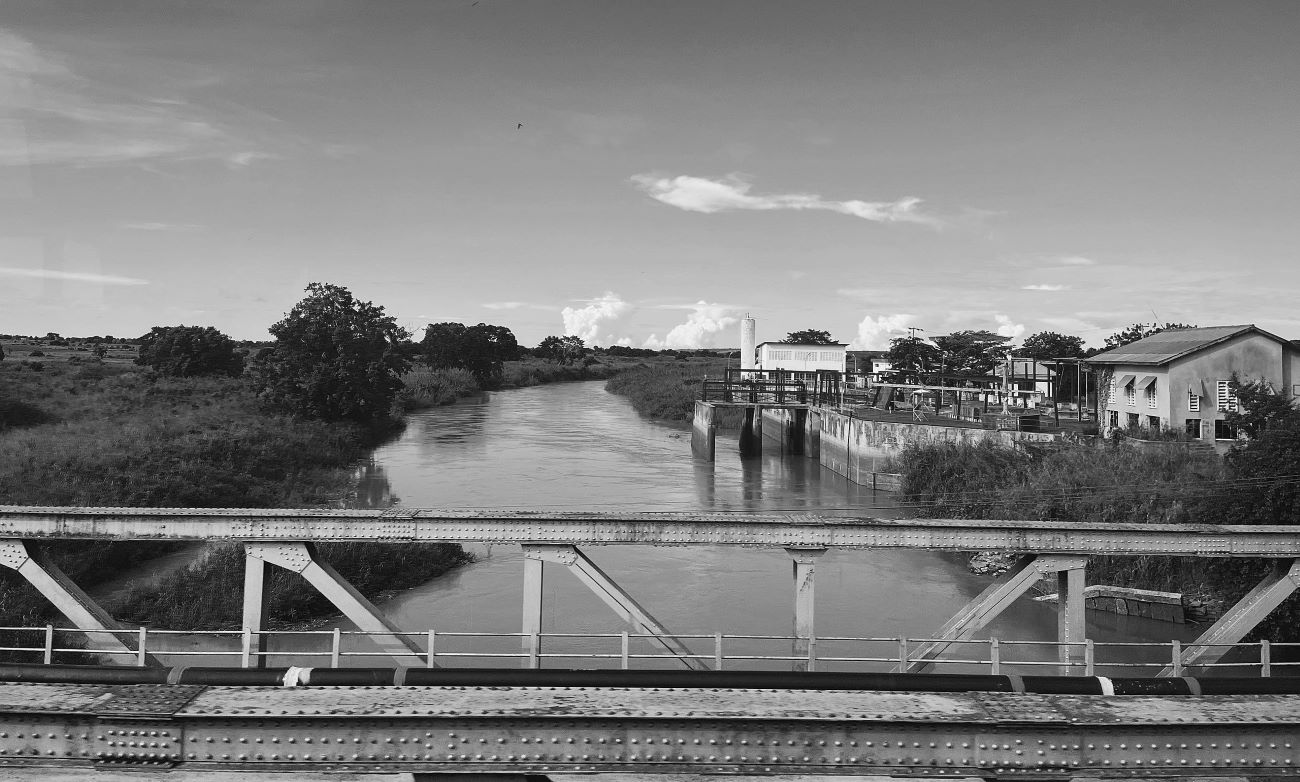
Introduction to the New Ruvu Bridge
The Ruvu region has long been a vital hub for transportation and commerce, connecting communities and facilitating the flow of goods and services. However, the aging infrastructure in the area had become a growing concern, hindering the region’s potential for growth and development. That is, until the introduction of the remarkable New Ruvu Bridge, a transformative project that is set to revolutionize the landscape of this vibrant region.
Importance of Infrastructure Development
Infrastructure development plays a crucial role in the advancement of any community or region. It serves as the backbone for economic growth, enabling the efficient movement of people, goods, and services. By investing in the construction of roads, bridges, and other vital infrastructure, governments and policymakers can unlock new opportunities for businesses, improve access to essential services, and enhance the overall quality of life for local residents.
The Need for a New Bridge in the Ruvu Area
The Ruvu area had long been grappling with the challenges posed by an aging and overburdened bridge. The existing structure had become a bottleneck, leading to frequent traffic congestion, delays, and safety concerns. As the region’s population and economic activities continued to expand, the need for a more robust and reliable transportation solution became increasingly apparent.
Features and Design of the New Ruvu Bridge
The New Ruvu Bridge is a marvel of engineering, designed to meet the growing demands of the region. Spanning the Ruvu River, the bridge features a sleek and modern design, with a focus on both functionality and aesthetics. Some of the key features of the new structure include:
- Increased Capacity: The bridge boasts a wider deck, accommodating more lanes of traffic and reducing congestion during peak hours.
- Improved Safety: Advanced safety features, such as sturdy guardrails and efficient lighting systems, have been incorporated to enhance the overall safety of the bridge.
- Resilient Construction: The bridge has been designed to withstand the region’s environmental challenges, including heavy rainfall and potential flooding, ensuring its long-term durability and reliability.
- Pedestrian-Friendly: Dedicated walkways and cycling lanes have been included in the bridge’s design, promoting a more inclusive and sustainable mode of transportation.
Enhancing Connectivity with the New Ruvu Bridge
The New Ruvu Bridge is poised to transform the region’s transportation landscape, enhancing connectivity and accessibility for both individuals and businesses. By providing a more efficient and reliable crossing over the Ruvu River, the bridge will:
- Reduce Travel Times: Commuters and travelers can expect a significant reduction in journey times, as the new bridge alleviates the bottlenecks that plagued the previous structure.
- Improve Access to Markets: Businesses will benefit from improved access to regional and national markets, enabling them to expand their reach and tap into new opportunities.
- Facilitate Emergency Response: The bridge’s enhanced capacity and safety features will make it easier for emergency services to respond quickly to incidents, improving the overall well-being of the community.
Impact on Local Communities and Businesses
The construction of the New Ruvu Bridge has had a profound impact on the local communities and businesses in the region. By improving connectivity and accessibility, the bridge has:
- Boosted Local Economies: Businesses in the area have experienced a surge in economic activity, as the improved transportation links have opened up new markets and increased the flow of customers and clients.
- Enhanced Access to Services: Residents now have better access to essential services, such as healthcare, education, and government facilities, thanks to the improved transportation infrastructure.
- Fostered Social Cohesion: The bridge has helped to strengthen the connections between neighboring communities, facilitating the exchange of ideas, cultural experiences, and social interactions.
Economic Benefits of the New Ruvu Bridge
The economic benefits of the New Ruvu Bridge extend far beyond the local communities. The project has had a significant impact on the regional and national economy, contributing to:
- Increased Trade and Commerce: The improved connectivity has facilitated the movement of goods and services, leading to an expansion of trade and commerce across the region.
- Job Creation: The construction and ongoing maintenance of the bridge have generated numerous employment opportunities, providing a boost to the local job market.
- Increased Tax Revenue: The economic growth and development spurred by the bridge have resulted in increased tax revenue for the government, which can be reinvested into further infrastructure improvements and social programs.
Challenges Faced During the Construction
The construction of the New Ruvu Bridge was not without its challenges. The project faced a number of obstacles, including:
- Environmental Concerns: The bridge’s location near the Ruvu River required careful consideration of the potential environmental impact, necessitating extensive planning and mitigation measures.
- Logistical Hurdles: Coordinating the movement of heavy machinery and materials across the existing bridge and managing the flow of traffic during construction posed significant logistical challenges.
- Budgetary Constraints: Ensuring the project remained within the allocated budget while maintaining high-quality standards was a constant balancing act for the project team.
However, through the dedication and collaboration of the various stakeholders, these challenges were overcome, paving the way for the successful completion of the New Ruvu Bridge.
Future Plans for Infrastructure Development in the Area
The completion of the New Ruvu Bridge is just the beginning of a broader vision for infrastructure development in the region. The local government and policymakers have already begun to explore additional projects that will further enhance the area’s connectivity and economic potential, including:
- Expansion of the Road Network: Plans are underway to upgrade and expand the road network in the Ruvu area, improving access to rural communities and facilitating the movement of goods and services.
- Modernization of Public Transportation: Investments are being made to modernize the public transportation system, making it more efficient, accessible, and environmentally friendly.
- Integrated Logistics Hub: The development of a state-of-the-art logistics hub is being considered, leveraging the region’s strategic location and the enhanced transportation infrastructure to drive economic growth.
Conclusion: The Significance of the New Ruvu Bridge for the Region’s Growth
The New Ruvu Bridge stands as a testament to the power of infrastructure development in transforming communities and unlocking new opportunities for growth. By enhancing connectivity, improving safety, and fostering economic prosperity, this remarkable structure has become a symbol of the region’s commitment to progress and development.
As you explore the marvels of the New Ruvu Bridge, you can’t help but feel a sense of pride and optimism for the future. This project is not just about a bridge; it’s about the collective vision, hard work, and dedication that have come together to create a lasting impact on the lives of the people in the Ruvu region.
For more information on infrastructure click here!


![Understanding Road Signs in Tanzania: A Comprehensive Guide to Navigating Safely "Understanding Road Signs in Tanzania: A Comprehensive Guide to Navigating Safely Photo by geralt on Pixabay "## Introduction to Road Signs in Tanzania As you prepare to explore the vibrant landscapes and bustling cities of Tanzania, familiarizing yourself with the country's road signs is an essential step towards a safe and enjoyable journey. Tanzania's road network is extensive, winding through diverse terrain, from the iconic Serengeti to the towering Mount Kilimanjaro. Understanding the unique road signs and traffic regulations in Tanzania will empower you to navigate these roads confidently, ensuring a seamless and secure travel experience. Importance of Understanding Road Signs Road signs in Tanzania serve as crucial guideposts, informing drivers and pedestrians of essential information, regulations, and potential hazards. By familiarizing yourself with the various types of road signs and their meanings, you can better anticipate and respond to traffic situations, making informed decisions that prioritize safety. This knowledge not only enhances your personal well-being but also contributes to the overall safety of all road users, fostering a more harmonious and efficient transportation system in Tanzania. Regulatory Road Signs in Tanzania Regulatory road signs in Tanzania are designed to inform drivers and pedestrians of the rules and laws that must be followed on the roads. These signs are typically circular in shape and use a combination of symbols, text, and colors to convey their message. Some common examples include: Speed Limit Signs: These signs indicate the maximum speed limit allowed on a particular road section, ensuring the safe flow of traffic. Stop Signs: Octagonal in shape, these signs require drivers to come to a complete stop before proceeding. One-Way Signs: These signs clearly indicate the direction of traffic flow, helping to maintain order and prevent collisions. No Entry Signs: Triangular in shape, these signs prohibit vehicles from entering a specific road or area. Familiarizing yourself with these regulatory signs and strictly adhering to their instructions is crucial for maintaining safety and avoiding potential fines or legal consequences. Warning Road Signs in Tanzania Warning road signs in Tanzania are designed to alert drivers and pedestrians to potential hazards or upcoming changes in road conditions. These signs are typically diamond-shaped and use a combination of symbols, text, and colors to convey their message. Some common examples include: Curve Signs: These signs warn drivers of an upcoming curve in the road, allowing them to adjust their speed and maneuver accordingly. Pedestrian Crossing Signs: These signs indicate the presence of a designated pedestrian crossing, reminding drivers to be vigilant and yield to pedestrians. Slippery Road Signs: These signs warn drivers of potentially slippery road conditions, such as during wet weather or on unpaved surfaces, prompting them to exercise caution. Steep Gradient Signs: These signs alert drivers to an upcoming steep incline or decline, allowing them to prepare their vehicles for the change in terrain. By recognizing and heeding these warning signs, you can anticipate potential hazards and adjust your driving behavior to ensure a safe journey. Informational Road Signs in Tanzania Informational road signs in Tanzania provide drivers and pedestrians with valuable guidance and assistance. These signs are typically rectangular in shape and use a combination of symbols, text, and colors to convey their message. Some common examples include: Direction Signs: These signs indicate the direction and distance to various destinations, helping you navigate the road network. Place Name Signs: These signs identify the names of cities, towns, and villages, allowing you to orient yourself and plan your route accordingly. Tourist Attraction Signs: These signs highlight the locations of popular tourist destinations, making it easier for you to access and explore the country's natural and cultural wonders. Service Signs: These signs indicate the availability of essential services, such as gas stations, rest areas, and hospitals, ensuring you can access the resources you need during your travels. By familiarizing yourself with these informational signs, you can plan your journey more effectively, make informed decisions, and enjoy a seamless and enriching travel experience in Tanzania. Understanding Road Markings in Tanzania In addition to road signs, understanding the road markings in Tanzania is crucial for safe navigation. These markings are painted on the road surface and provide visual cues to drivers and pedestrians. Some common examples include: Lane Markings: These lines, both solid and dashed, delineate the boundaries of traffic lanes, helping to maintain order and prevent collisions. Crosswalk Markings: These markings indicate designated pedestrian crossing areas, alerting drivers to the presence of pedestrians and their right-of-way. Stop Lines: These solid lines across the road surface signal the point at which drivers must come to a complete stop. Center Lines: These lines, either solid or dashed, separate opposing directions of traffic flow, guiding drivers and preventing head-on collisions. By being attentive to these road markings and following their instructions, you can navigate the Tanzanian roads with greater confidence and safety. Tips for Navigating Safely on Tanzanian Roads To ensure a safe and enjoyable journey on Tanzanian roads, consider the following tips: Familiarize Yourself with the Road Signs: Before your trip, take the time to review and understand the various types of road signs you may encounter in Tanzania. This will help you anticipate and respond to traffic situations more effectively. Observe the Speed Limits: Adhere to the posted speed limits, as they are in place to maintain the safety of all road users. Speeding can not only result in fines but also significantly increase the risk of accidents. Be Vigilant for Pedestrians and Wildlife: Tanzania's roads often traverse areas with high pedestrian activity and the occasional presence of wildlife. Remain alert and prepared to react accordingly to avoid collisions. Adapt to Changing Road Conditions: Tanzanian roads can be affected by weather, construction, or other factors that may require you to adjust your driving behavior. Stay attentive to road signs and markings, and be prepared to slow down or take alternative routes when necessary. Respect Traffic Signals and Signs: Strictly follow all traffic signals, stop signs, and other regulatory signs to ensure the safety of yourself and others on the road. Stay Focused and Avoid Distractions: Driving in Tanzania requires your full attention. Refrain from using your mobile phone, adjusting the radio, or engaging in other activities that could divert your focus from the road. By incorporating these tips into your driving habits, you can navigate the Tanzanian roads with confidence and contribute to the overall safety of the transportation network. Road Sign Recognition Quiz Test your knowledge of Tanzanian road signs by taking this interactive quiz: What does this sign indicate? [Image of a stop sign] Which sign warns drivers of an upcoming curve in the road? [Image of a curve warning sign] How would you interpret this road marking? [Image of a pedestrian crossing] What is the meaning of this informational sign? [Image of a direction sign] Answers: This octagonal sign indicates that drivers must come to a complete stop before proceeding. The diamond-shaped sign with a curved arrow warns drivers of an upcoming curve in the road. The parallel lines painted on the road surface mark a designated pedestrian crossing, where drivers must yield to pedestrians. This rectangular sign provides directional information, indicating the distance and direction to various destinations. Resources for Learning More about Road Signs in Tanzania If you'd like to further enhance your knowledge of road signs in Tanzania, consider exploring the following resources: The official website of the Tanzanian Road Traffic Act, which outlines the country's traffic laws and regulations: [www.tanroads.go.tz/traffic-act] The Tanzanian National Roads Agency's guide to road signs and markings: [www.tanroads.go.tz/road-signs] Online tutorials and videos that demonstrate the meanings of common Tanzanian road signs: [www.youtube.com/tanzaniaroadsigns] Travel blogs and forums that provide firsthand accounts and tips from travelers who have navigated the Tanzanian road network: [www.travelforums.com/tanzania-roads] By understanding the road signs and traffic regulations in Tanzania, you can navigate the country's roads with confidence and ensure a safe and enjoyable travel experience. To learn more about planning your trip to Tanzania, be sure to check out our comprehensive travel guides and resources. Start planning your adventure today! Conclusion Navigating the roads of Tanzania requires a keen understanding of the country's unique road signs and traffic regulations. By familiarizing yourself with the various types of regulatory, warning, and informational signs, as well as the road markings, you can confidently and safely explore the diverse landscapes and vibrant cities that Tanzania has to offer. Remember to observe speed limits, stay vigilant for pedestrians and wildlife, and respect all traffic signals and signs. With this knowledge in hand, you can embark on your Tanzanian journey with the peace of mind that comes from being a responsible and informed road user. Regulatory and informational road signs in Tanzania including stop sign speed limits and directions](https://unitedrepublicoftanzania.com/wp-content/uploads/2024/08/Signs-in-Tanzania-218x150.jpg)


