

Introduction to the Selander Bridge
Dar es Salaam, the bustling capital of Tanzania, is a city defined by its vibrant culture, thriving commerce, and rich history. At the heart of this dynamic metropolis lies the iconic Selander Bridge, a structure that has served as a vital transportation link for generations. As you explore the city, you’ll quickly realize that the Selander Bridge is more than just a bridge – it’s a symbol of Dar es Salaam’s resilience, progress, and the unwavering spirit of its people.
Historical Significance of the Selander Bridge
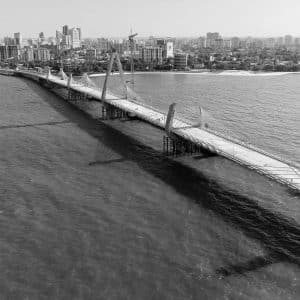
The original Selander Bridge, constructed in the early 20th century, was a testament to the ingenuity and determination of the city’s pioneers. Spanning the Msimbazi River, the bridge played a crucial role in connecting the bustling commercial district with the residential areas, facilitating the movement of goods, people, and ideas. Over the decades, the Selander Bridge witnessed the city’s transformation, serving as a silent witness to the triumphs and challenges that shaped Dar es Salaam’s history.
Construction of the New Selander Bridge in Dar es Salaam
In recent years, the Selander Bridge has undergone a remarkable transformation with the construction of a new, state-of-the-art structure. This ambitious project, undertaken by the Tanzanian government, aimed to modernize the city’s transportation infrastructure and meet the growing demands of the rapidly expanding population. The construction of the new Selander Bridge was a complex and meticulously planned endeavor, involving the collaboration of engineers, architects, and urban planners to ensure the seamless integration of the new structure with the existing urban landscape.
Features and Design of the New Selander Bridge
The new Selander Bridge is a marvel of modern engineering, featuring a sleek and contemporary design that blends seamlessly with the city’s architectural landscape. The bridge’s striking appearance is complemented by a range of innovative features, including:
- Expanded Capacity: The new Selander Bridge boasts a significantly wider roadway, accommodating more lanes of traffic and easing the congestion that plagued the previous structure.
- Pedestrian and Bicycle Lanes: In addition to the expanded vehicular lanes, the new bridge includes dedicated lanes for pedestrians and cyclists, promoting sustainable and eco-friendly modes of transportation.
- Aesthetic Lighting: The bridge is illuminated by a stunning array of LED lights, creating a mesmerizing display that transforms the structure into a nighttime landmark.
- Earthquake-Resistant Design: The new Selander Bridge has been engineered to withstand the region’s seismic activity, ensuring the safety and resilience of the structure for years to come.
Comparing the Old and New Selander Bridge
The transformation of the Selander Bridge is a testament to the city’s commitment to progress and modernization. While the original bridge held immense historical significance, the new structure offers a range of improvements that have significantly enhanced the transportation experience in Dar es Salaam.
| Feature | Old Selander Bridge | New Selander Bridge |
|---|---|---|
| Capacity | Limited to two lanes | Expanded to four lanes |
| Pedestrian and Bicycle Access | None | Dedicated lanes |
| Lighting | Basic street lighting | Aesthetic LED lighting |
| Earthquake Resistance | Limited | Engineered for seismic activity |
| Aesthetics | Functional, but dated | Sleek, contemporary design |
The Impact of the New Selander Bridge on Transportation in Dar es Salaam
The completion of the new Selander Bridge has had a profound impact on the city’s transportation landscape. By alleviating traffic congestion, improving accessibility, and promoting sustainable modes of travel, the bridge has become a vital artery that facilitates the seamless movement of people and goods throughout Dar es Salaam.
The increased capacity of the bridge has reduced travel times, easing the frustration of daily commutes and enhancing the overall quality of life for residents. Additionally, the inclusion of pedestrian and bicycle lanes has encouraged more Tanzanians to adopt eco-friendly transportation options, contributing to the city’s sustainability efforts.
Exploring the Selander Bridge: Things to See and Do
Beyond its functional role, the Selander Bridge has become a beloved destination for both locals and visitors alike. As you stroll across the bridge, you’ll be treated to stunning views of the Msimbazi River and the surrounding cityscape. The bridge’s LED lighting display at night creates a mesmerizing spectacle, drawing crowds of onlookers who come to admire the bridge’s ethereal beauty.
For those seeking a more immersive experience, the Selander Bridge offers a range of activities and attractions. You can enjoy a leisurely walk or bike ride, taking in the sights and sounds of the city. Alternatively, you can visit the nearby markets and shops, where you’ll find a vibrant array of local crafts, cuisine, and cultural artifacts.
Capturing the Beauty of the Selander Bridge: Photos and Views

The Selander Bridge is a photographer’s dream, offering a wealth of opportunities to capture its architectural elegance and breathtaking surroundings. Whether you’re standing on the bridge, gazing up at its graceful arches, or taking in the panoramic views from the riverbanks, the Selander Bridge is a constant source of inspiration for creatives and shutterbugs alike.
Future Plans for the Selander Bridge and Its Importance to the City
As Dar es Salaam continues to grow and evolve, the Selander Bridge remains a vital component of the city’s transportation infrastructure. The Tanzanian government has ongoing plans to further enhance the bridge’s capabilities, exploring the possibility of incorporating additional features such as public transportation hubs, recreational spaces, and even commercial developments.
The Selander Bridge’s significance extends far beyond its practical function as a transportation link. It has become a symbol of Dar es Salaam’s resilience, progress, and the unwavering spirit of its people. As the city looks towards the future, the Selander Bridge will undoubtedly continue to play a crucial role in shaping the city’s development and serving as a unifying force for its diverse communities.
Conclusion: The Selander Bridge – A Symbol of Progress and Connectivity in Dar es Salaam
The Selander Bridge is more than just a structure that spans the Msimbazi River; it is a testament to the resilience, ingenuity, and unwavering spirit of the people of Dar es Salaam. From its humble beginnings to its modern-day transformation, the Selander Bridge has remained a vital lifeline, connecting the city’s diverse communities and facilitating the flow of commerce, ideas, and progress.
As you explore the Selander Bridge, you’ll be struck by its architectural elegance, the stunning views it offers, and the vibrant energy that surrounds it. This iconic landmark is not just a bridge – it is a symbol of Dar es Salaam’s unwavering commitment to growth, innovation, and the pursuit of a brighter future. Whether you’re a local resident or a visitor to the city, the Selander Bridge is a must-see destination that will leave a lasting impression on your heart and mind.
For more information on infrastructure click here!


![Understanding Road Signs in Tanzania: A Comprehensive Guide to Navigating Safely "Understanding Road Signs in Tanzania: A Comprehensive Guide to Navigating Safely Photo by geralt on Pixabay "## Introduction to Road Signs in Tanzania As you prepare to explore the vibrant landscapes and bustling cities of Tanzania, familiarizing yourself with the country's road signs is an essential step towards a safe and enjoyable journey. Tanzania's road network is extensive, winding through diverse terrain, from the iconic Serengeti to the towering Mount Kilimanjaro. Understanding the unique road signs and traffic regulations in Tanzania will empower you to navigate these roads confidently, ensuring a seamless and secure travel experience. Importance of Understanding Road Signs Road signs in Tanzania serve as crucial guideposts, informing drivers and pedestrians of essential information, regulations, and potential hazards. By familiarizing yourself with the various types of road signs and their meanings, you can better anticipate and respond to traffic situations, making informed decisions that prioritize safety. This knowledge not only enhances your personal well-being but also contributes to the overall safety of all road users, fostering a more harmonious and efficient transportation system in Tanzania. Regulatory Road Signs in Tanzania Regulatory road signs in Tanzania are designed to inform drivers and pedestrians of the rules and laws that must be followed on the roads. These signs are typically circular in shape and use a combination of symbols, text, and colors to convey their message. Some common examples include: Speed Limit Signs: These signs indicate the maximum speed limit allowed on a particular road section, ensuring the safe flow of traffic. Stop Signs: Octagonal in shape, these signs require drivers to come to a complete stop before proceeding. One-Way Signs: These signs clearly indicate the direction of traffic flow, helping to maintain order and prevent collisions. No Entry Signs: Triangular in shape, these signs prohibit vehicles from entering a specific road or area. Familiarizing yourself with these regulatory signs and strictly adhering to their instructions is crucial for maintaining safety and avoiding potential fines or legal consequences. Warning Road Signs in Tanzania Warning road signs in Tanzania are designed to alert drivers and pedestrians to potential hazards or upcoming changes in road conditions. These signs are typically diamond-shaped and use a combination of symbols, text, and colors to convey their message. Some common examples include: Curve Signs: These signs warn drivers of an upcoming curve in the road, allowing them to adjust their speed and maneuver accordingly. Pedestrian Crossing Signs: These signs indicate the presence of a designated pedestrian crossing, reminding drivers to be vigilant and yield to pedestrians. Slippery Road Signs: These signs warn drivers of potentially slippery road conditions, such as during wet weather or on unpaved surfaces, prompting them to exercise caution. Steep Gradient Signs: These signs alert drivers to an upcoming steep incline or decline, allowing them to prepare their vehicles for the change in terrain. By recognizing and heeding these warning signs, you can anticipate potential hazards and adjust your driving behavior to ensure a safe journey. Informational Road Signs in Tanzania Informational road signs in Tanzania provide drivers and pedestrians with valuable guidance and assistance. These signs are typically rectangular in shape and use a combination of symbols, text, and colors to convey their message. Some common examples include: Direction Signs: These signs indicate the direction and distance to various destinations, helping you navigate the road network. Place Name Signs: These signs identify the names of cities, towns, and villages, allowing you to orient yourself and plan your route accordingly. Tourist Attraction Signs: These signs highlight the locations of popular tourist destinations, making it easier for you to access and explore the country's natural and cultural wonders. Service Signs: These signs indicate the availability of essential services, such as gas stations, rest areas, and hospitals, ensuring you can access the resources you need during your travels. By familiarizing yourself with these informational signs, you can plan your journey more effectively, make informed decisions, and enjoy a seamless and enriching travel experience in Tanzania. Understanding Road Markings in Tanzania In addition to road signs, understanding the road markings in Tanzania is crucial for safe navigation. These markings are painted on the road surface and provide visual cues to drivers and pedestrians. Some common examples include: Lane Markings: These lines, both solid and dashed, delineate the boundaries of traffic lanes, helping to maintain order and prevent collisions. Crosswalk Markings: These markings indicate designated pedestrian crossing areas, alerting drivers to the presence of pedestrians and their right-of-way. Stop Lines: These solid lines across the road surface signal the point at which drivers must come to a complete stop. Center Lines: These lines, either solid or dashed, separate opposing directions of traffic flow, guiding drivers and preventing head-on collisions. By being attentive to these road markings and following their instructions, you can navigate the Tanzanian roads with greater confidence and safety. Tips for Navigating Safely on Tanzanian Roads To ensure a safe and enjoyable journey on Tanzanian roads, consider the following tips: Familiarize Yourself with the Road Signs: Before your trip, take the time to review and understand the various types of road signs you may encounter in Tanzania. This will help you anticipate and respond to traffic situations more effectively. Observe the Speed Limits: Adhere to the posted speed limits, as they are in place to maintain the safety of all road users. Speeding can not only result in fines but also significantly increase the risk of accidents. Be Vigilant for Pedestrians and Wildlife: Tanzania's roads often traverse areas with high pedestrian activity and the occasional presence of wildlife. Remain alert and prepared to react accordingly to avoid collisions. Adapt to Changing Road Conditions: Tanzanian roads can be affected by weather, construction, or other factors that may require you to adjust your driving behavior. Stay attentive to road signs and markings, and be prepared to slow down or take alternative routes when necessary. Respect Traffic Signals and Signs: Strictly follow all traffic signals, stop signs, and other regulatory signs to ensure the safety of yourself and others on the road. Stay Focused and Avoid Distractions: Driving in Tanzania requires your full attention. Refrain from using your mobile phone, adjusting the radio, or engaging in other activities that could divert your focus from the road. By incorporating these tips into your driving habits, you can navigate the Tanzanian roads with confidence and contribute to the overall safety of the transportation network. Road Sign Recognition Quiz Test your knowledge of Tanzanian road signs by taking this interactive quiz: What does this sign indicate? [Image of a stop sign] Which sign warns drivers of an upcoming curve in the road? [Image of a curve warning sign] How would you interpret this road marking? [Image of a pedestrian crossing] What is the meaning of this informational sign? [Image of a direction sign] Answers: This octagonal sign indicates that drivers must come to a complete stop before proceeding. The diamond-shaped sign with a curved arrow warns drivers of an upcoming curve in the road. The parallel lines painted on the road surface mark a designated pedestrian crossing, where drivers must yield to pedestrians. This rectangular sign provides directional information, indicating the distance and direction to various destinations. Resources for Learning More about Road Signs in Tanzania If you'd like to further enhance your knowledge of road signs in Tanzania, consider exploring the following resources: The official website of the Tanzanian Road Traffic Act, which outlines the country's traffic laws and regulations: [www.tanroads.go.tz/traffic-act] The Tanzanian National Roads Agency's guide to road signs and markings: [www.tanroads.go.tz/road-signs] Online tutorials and videos that demonstrate the meanings of common Tanzanian road signs: [www.youtube.com/tanzaniaroadsigns] Travel blogs and forums that provide firsthand accounts and tips from travelers who have navigated the Tanzanian road network: [www.travelforums.com/tanzania-roads] By understanding the road signs and traffic regulations in Tanzania, you can navigate the country's roads with confidence and ensure a safe and enjoyable travel experience. To learn more about planning your trip to Tanzania, be sure to check out our comprehensive travel guides and resources. Start planning your adventure today! Conclusion Navigating the roads of Tanzania requires a keen understanding of the country's unique road signs and traffic regulations. By familiarizing yourself with the various types of regulatory, warning, and informational signs, as well as the road markings, you can confidently and safely explore the diverse landscapes and vibrant cities that Tanzania has to offer. Remember to observe speed limits, stay vigilant for pedestrians and wildlife, and respect all traffic signals and signs. With this knowledge in hand, you can embark on your Tanzanian journey with the peace of mind that comes from being a responsible and informed road user. Regulatory and informational road signs in Tanzania including stop sign speed limits and directions](https://unitedrepublicoftanzania.com/wp-content/uploads/2024/08/Signs-in-Tanzania-218x150.jpg)


