


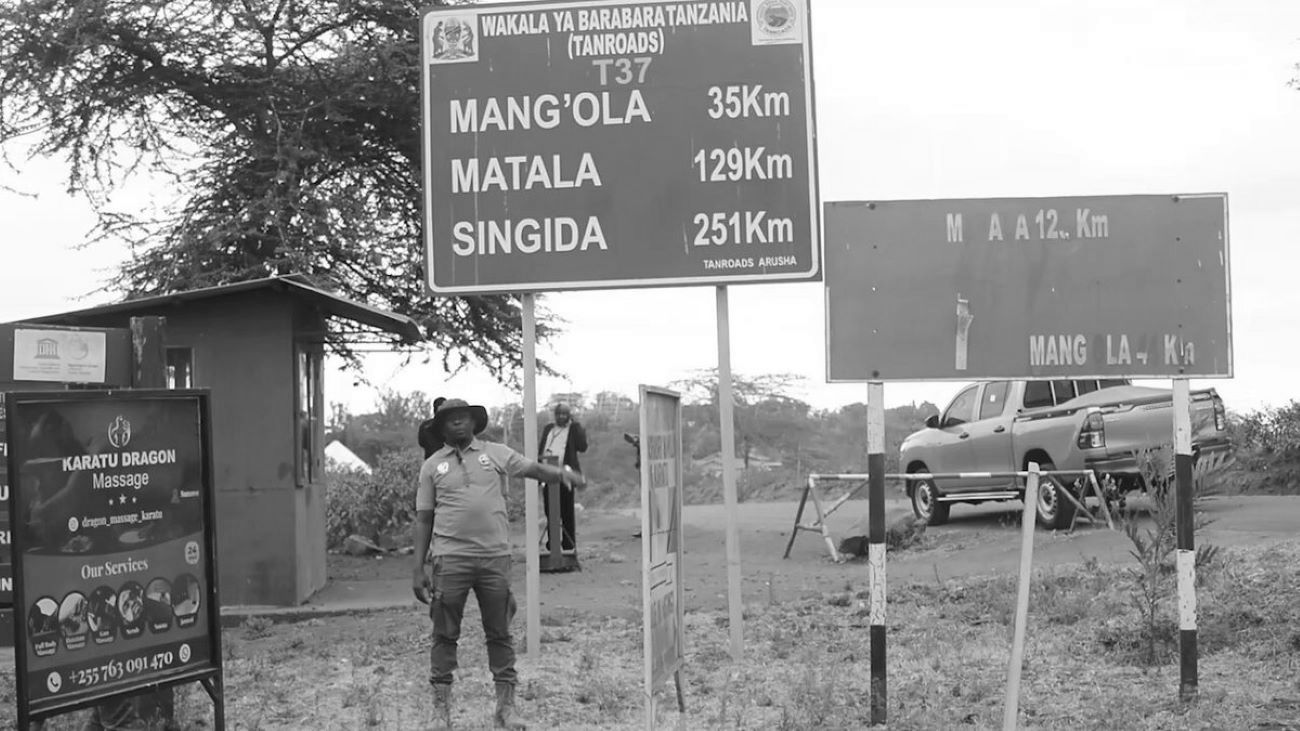
Introduction to the T37 Road and its significance
The T37 road, stretching from the vibrant city of Shinyanga to the picturesque town of Karatu, is a gateway to the Northern Circuit of Tanzania. This scenic route offers travelers a unique opportunity to explore the diverse landscapes, rich cultural heritage, and captivating wildlife that the region is renowned for. As you embark on this journey, you’ll discover the true essence of Tanzania, from the bustling urban centers to the serene countryside.
The T37 road plays a crucial role in connecting the western and northern regions of Tanzania, serving as a vital transportation artery for both local and international travelers. This road not only provides access to the renowned destinations within the Northern Circuit but also opens up a world of adventure, allowing you to delve into the heart of the country and experience its authentic charm.
Exploring Shinyanga – A vibrant city on the T37 Road
Your journey along the T37 road begins in the city of Shinyanga, a vibrant and dynamic hub that serves as the gateway to the northern regions. As you arrive in Shinyanga, you’ll be greeted by a bustling atmosphere, where the local markets and bustling streets offer a glimpse into the daily lives of the residents.
Take the time to explore the city’s rich cultural heritage, visiting the Shinyanga Museum, which showcases the region’s history and traditional practices. Immerse yourself in the local cuisine, sampling the aromatic spices and flavorful dishes that reflect the diverse culinary influences of the area.
One of the must-visit attractions in Shinyanga is the Kizigo Game Reserve, a serene natural haven that is home to a variety of wildlife, including elephants, giraffes, and a wide range of bird species. Embark on a guided safari to witness these magnificent creatures in their natural habitat and gain a deeper appreciation for the region’s ecological diversity.
As you prepare to continue your journey along the T37 road, take the opportunity to stock up on supplies, refuel your vehicle, and explore the vibrant local markets, where you can find unique souvenirs and artisanal crafts to commemorate your experience.
Journey from Shinyanga to Mwanyomba – A scenic drive through the countryside
Departing from Shinyanga, the T37 road winds its way through the picturesque countryside, offering a captivating panorama of rolling hills, lush farmlands, and charming villages. As you navigate the winding roads, take in the breathtaking vistas that unfold before you, from the verdant landscapes to the distant peaks of the Usambara Mountains.
Along the journey, you’ll have the chance to witness the daily lives of the local communities, as you pass by farmers tending to their crops, herders guiding their livestock, and children playing in the streets. This immersive experience provides a glimpse into the traditional way of life that has been preserved in this region for generations.
One of the highlights of this leg of the journey is the town of Mwanyomba, a charming rural settlement that serves as a gateway to the northern regions. Here, you’ll have the opportunity to explore the local markets, where you can interact with the friendly vendors and purchase fresh produce, handcrafted goods, and traditional textiles.
Attractions and activities in Mwanyomba
Mwanyomba may be a small town, but it offers a wealth of attractions and activities that are sure to captivate your senses. One of the must-visit destinations is the Mwanyomba Cultural Center, where you can immerse yourself in the vibrant traditions and customs of the local Sukuma people.
Attend a traditional dance performance, where the rhythmic beats of drums and the graceful movements of the dancers will transport you to a different era. Engage with the skilled artisans who showcase their intricate beadwork, pottery, and wood carvings, and learn about the rich cultural heritage that is woven into the fabric of this community.
For the nature enthusiasts, the nearby Mwanyomba Forest Reserve offers a serene escape, where you can embark on guided hikes and birdwatching tours to discover the diverse flora and fauna of the region. Keep your eyes peeled for the elusive Colobus monkeys and the vibrant array of bird species that call this forest home.
As you prepare to continue your journey along the T37 road, take the time to savor the local cuisine, indulge in a refreshing drink, and engage with the friendly locals, who are eager to share their stories and insights with visitors.
Continuing the adventure – From Mwanyomba to Karatu

Leaving the charming town of Mwanyomba behind, you’ll continue your journey along the T37 road, as it winds its way through the picturesque countryside, offering a visual feast for the senses. The landscape gradually transforms, with rolling hills giving way to the dramatic peaks of the Ngorongoro Conservation Area, a UNESCO World Heritage Site and one of the most iconic destinations in the Northern Circuit.
As you approach the town of Karatu, the road becomes more winding and the scenery becomes increasingly breathtaking. The lush, green landscapes are punctuated by the occasional glimpse of the Ngorongoro Crater, a natural wonder that has captivated travelers from around the world.
Discovering Karatu – A gateway to the Northern Circuit
Nestled at the base of the Ngorongoro Highlands, the town of Karatu serves as a gateway to the Northern Circuit, offering a perfect base for exploring the region’s renowned attractions. As you arrive in Karatu, you’ll be struck by the town’s charming and laid-back atmosphere, where the friendly locals and the vibrant market create a welcoming ambiance.
Take the time to wander through the bustling market, where you can find an array of locally-produced goods, from handcrafted textiles and artisanal crafts to fresh produce and spices. Engage with the vendors, who are eager to share their stories and showcase the unique offerings of their community.
One of the must-visit attractions in Karatu is the Ngorongoro Crater, a breathtaking natural wonder that is home to a diverse array of wildlife, including the iconic Big Five (lions, leopards, rhinoceros, elephants, and buffalo). Embark on a guided safari to explore this awe-inspiring caldera, where you’ll have the opportunity to witness the delicate balance of the ecosystem and the incredible biodiversity that thrives within.
Must-visit destinations near Karatu
Beyond the Ngorongoro Crater, the Karatu region offers a wealth of other must-visit destinations that are easily accessible from the T37 road. One of these is the Tarangire National Park, a vast and diverse protected area that is renowned for its large elephant population and diverse array of wildlife.
Another captivating destination is the Serengeti National Park, one of the most iconic safari destinations in the world. From Karatu, you can easily access the southern and central regions of the Serengeti, where you’ll have the opportunity to witness the annual wildebeest migration, a natural phenomenon that has captivated the imagination of travelers for generations.
For those seeking a more cultural experience, the nearby Olduvai Gorge is a must-visit site, where you can explore the archaeological and paleontological discoveries that have shed light on the origins of humanity.
Accommodation options along the T37 Road
As you journey along the T37 road, you’ll find a range of accommodation options to suit your preferences and budget. From cozy guesthouses and charming lodges in the smaller towns to luxury safari camps and resorts in the Ngorongoro and Serengeti regions, there is something to cater to every traveler.
In Shinyanga, you can find a variety of mid-range and budget-friendly hotels, as well as a few upscale options for those seeking a more luxurious experience. As you move towards Mwanyomba and Karatu, the accommodation options become more diverse, with a range of eco-lodges, tented camps, and boutique hotels that offer a more immersive and sustainable experience.
When planning your accommodation, be sure to research the options thoroughly and book in advance, especially during the peak travel seasons, to ensure availability and secure the best deals.
Tips for traveling on the T37 Road
To make the most of your journey along the T37 road, here are some helpful tips:
- Plan your itinerary: Carefully plan your route and allocate enough time to explore the various destinations along the way. This will ensure that you don’t feel rushed and can fully immerse yourself in the experiences.
- Pack wisely: Bring comfortable clothing, sturdy walking shoes, sun protection, and any necessary medications or personal items. Additionally, consider packing a portable charger and a camera to capture the stunning landscapes.
- Respect the local culture: Be mindful of local customs and traditions, and engage respectfully with the communities you encounter. Avoid any behavior that may be considered disrespectful or intrusive.
- Stay informed: Research the current weather conditions, road closures, and any potential safety concerns before embarking on your journey. This will help you prepare for any unexpected situations.
- Embrace the journey: Savor the experience of the drive, taking in the ever-changing scenery and immersing yourself in the local way of life. The T37 road is not just a means to an end, but a journey in itself.
Conclusion – The T37 Road: A memorable journey from Shinyanga to Karatu

The T37 road, stretching from Shinyanga to Karatu, is a journey that offers a unique and unforgettable experience for travelers. From the vibrant urban centers to the serene countryside, this route serves as a gateway to the Northern Circuit, unlocking a world of natural wonders, cultural richness, and unforgettable adventures.
As you embark on this journey, you’ll have the opportunity to immerse yourself in the local way of life, explore captivating destinations, and create lasting memories that will stay with you long after your trip has ended. Whether you’re a nature enthusiast, a cultural explorer, or simply someone seeking a unique and authentic experience, the T37 road is sure to leave a lasting impression.
So, pack your bags, hop in your vehicle, and get ready to embark on a journey that will take you through the heart of Tanzania, where the beauty of the land and the warmth of the people come together to create an unforgettable adventure.
For more information on infrastructure click here!


