



Introduction to the T7 Highway
Embark on a captivating coastal adventure as you traverse the T7 Highway, a scenic route that winds its way from Dar es Salaam to the charming town of Mingoyo, via the historic city of Lindi. This picturesque journey along Tanzania’s southern coast offers a unique blend of natural beauty, cultural experiences, and hidden gems that will leave you with unforgettable memories.
The T7 Highway, also known as the Tanzam Highway, is a vital transportation artery that connects the northern and southern regions of Tanzania. However, it’s more than just a functional road – it’s a gateway to a world of wonder, where the Indian Ocean’s azure waters meet the lush, tropical landscapes of the Tanzanian coast.
As you set out on this coastal odyssey, prepare to be captivated by the stunning vistas, vibrant local communities, and the rich history that has shaped this captivating region. Get ready to immerse yourself in a truly authentic Tanzanian experience.
Exploring Dar es Salaam – the starting point of the coastal adventure
Your journey begins in the bustling city of Dar es Salaam, Tanzania’s commercial and cultural hub. This vibrant metropolis serves as the perfect starting point for your coastal adventure, offering a diverse array of attractions and experiences to whet your appetite for the journey ahead.
Spend some time exploring the city’s bustling markets, where you can haggle for local crafts, spices, and fresh produce. Venture to the picturesque Slipway harbor, where you can enjoy panoramic views of the Indian Ocean and watch as traditional dhow boats ply the waters. Don’t miss the opportunity to visit the National Museum, which showcases the rich cultural heritage of Tanzania, from ancient artifacts to contemporary art.
As you prepare to depart Dar es Salaam, take a moment to savor the local cuisine, which blends African, Indian, and Arabic influences. Indulge in flavorful dishes like biryani, chapati, and the iconic Swahili staple, ugali, before hitting the road for your coastal adventure.
Highlights of the journey from Dar es Salaam to Lindi
Leaving the vibrant city of Dar es Salaam behind, you’ll embark on a scenic drive along the T7 Highway, hugging the captivating coastline of the Indian Ocean. As you navigate the winding roads, you’ll be treated to a breathtaking panorama of pristine beaches, towering cliffs, and lush, verdant landscapes.
One of the first highlights of your journey will be the picturesque town of Bagamoyo, known for its rich history as a former slave trade hub and a center of Swahili culture. Stroll through the charming streets, visit the historic Kaole Ruins, and immerse yourself in the town’s vibrant arts and crafts scene.
As you continue your journey, you’ll pass through the coastal villages of Pangani and Saadani, both of which offer a glimpse into the traditional Swahili way of life. In Saadani, you can explore the Saadani National Park, a unique wildlife haven where the bush meets the sea, and spot a diverse array of animal species, from elephants and lions to warthogs and monkeys.
Further down the coast, you’ll reach the historic city of Lindi, which serves as the gateway to the southern regions of Tanzania. This captivating town is renowned for its well-preserved colonial architecture, bustling markets, and the nearby Lindi Marine Reserve, a haven for marine life and a popular spot for snorkeling and diving.
Discovering the hidden gems of Lindi
As you arrive in Lindi, prepare to be enchanted by the city’s rich history and cultural heritage. Wander through the tree-lined streets, admiring the beautifully preserved colonial buildings that serve as a testament to Lindi’s past as a thriving trading port.
One of the must-visit attractions in Lindi is the Lindi Museum, which offers a fascinating glimpse into the region’s history, from the ancient Swahili civilization to the colonial era. Explore the museum’s collection of artifacts, traditional Tanzanian crafts, and informative exhibits that will deepen your understanding of the local culture.
Beyond the museum, Lindi is home to a vibrant local market, where you can immerse yourself in the bustling energy of the community. Haggle for fresh produce, local handicrafts, and spices, and engage with the friendly vendors who are eager to share their stories and traditions.
For a deeper cultural experience, consider visiting one of the nearby villages, where you can witness traditional Tanzanian life unfold before your eyes. Observe the artisans at work, learn about local customs and rituals, and perhaps even join in a community celebration or festival.
Continuing the adventure from Lindi to Mingoyo
Refreshed and inspired by your time in Lindi, it’s time to continue your journey along the T7 Highway, heading further south towards the charming town of Mingoyo.
As you leave Lindi, the landscape begins to transform, with the coastal plains giving way to rolling hills and lush, tropical forests. Keep your eyes peeled for the diverse array of wildlife that inhabits this region, from the majestic elephants of the Selous Game Reserve to the elusive Masasi leopard.
One of the highlights of this leg of the journey is the Kilwa Kisiwani UNESCO World Heritage Site, a fascinating historical site that was once a thriving Swahili trading port. Explore the well-preserved ruins, which include the impressive Kilwa Kisiwani mosque and the remains of grand palaces, and immerse yourself in the captivating history of this ancient civilization.
As you draw closer to Mingoyo, the scenery becomes increasingly breathtaking, with the T7 Highway hugging the coastline and offering stunning vistas of the Indian Ocean. Stop along the way to admire the pristine beaches, where you can dip your toes in the warm, turquoise waters or simply relax and soak in the tranquil atmosphere.
Must-visit attractions along the T7 Highway
Throughout your coastal adventure, you’ll encounter a wealth of natural and cultural attractions that are sure to captivate and inspire. Here are some of the must-visit destinations along the T7 Highway:
- Saadani National Park: Explore this unique wildlife haven where the bush meets the sea, home to a diverse array of animal species, including elephants, lions, and warthogs.
- Kilwa Kisiwani UNESCO World Heritage Site: Discover the well-preserved ruins of this ancient Swahili trading port, a testament to the region’s rich history.
- Lindi Marine Reserve: Dive or snorkel in the crystal-clear waters of this protected marine area, teeming with colorful coral reefs and a vast array of marine life.
- Mikindani: Stroll through the charming streets of this historic coastal town, admiring the well-preserved colonial architecture and engaging with the friendly locals.
- Songo Mnara: Explore the archaeological site of this once-thriving Swahili settlement, which offers a glimpse into the region’s past.
- Mtwara: Visit the bustling port city of Mtwara, known for its vibrant markets, cultural attractions, and the nearby Ruvuma River, a popular spot for birdwatching and wildlife viewing.
Tips for a successful coastal road trip

To ensure a seamless and enjoyable coastal adventure along the T7 Highway, consider the following tips:
- Plan your route: Research the key attractions and destinations along the T7 Highway, and plan your route accordingly to make the most of your journey.
- Pack wisely: Bring comfortable clothing, sturdy walking shoes, sun protection, and any necessary medications or personal items. Don’t forget to pack a swimsuit and towel for those spontaneous beach visits.
- Fuel up: Make sure to fill up your vehicle’s tank at regular intervals, as fuel stations can be scarce in some areas along the T7 Highway.
- Stay hydrated: Carry plenty of water and stay hydrated throughout your journey, especially during the hotter months.
- Respect the local culture: Be mindful of local customs and traditions, and dress appropriately when visiting cultural sites or interacting with the local community.
- Secure your valuables: Keep your important documents, cash, and other valuables safe and secure, especially when exploring crowded markets or busy areas.
- Embrace the unexpected: Be open to spontaneous detours and serendipitous encounters – the true magic of the T7 Highway often lies in the unexpected.
Accommodation options along the T7 Highway
As you embark on your coastal adventure, you’ll find a range of accommodation options to suit every budget and preference. From cozy guesthouses and charming beach resorts to eco-lodges and luxury hotels, the T7 Highway offers a diverse array of accommodations to make your journey even more memorable.
In Dar es Salaam, you can choose from a wide selection of hotels, ranging from modern high-rises to boutique properties with stunning views of the Indian Ocean. As you move along the coast, you’ll find a growing number of beachfront resorts and eco-lodges that offer a more intimate and immersive experience.
In Lindi and Mingoyo, the accommodation options tend to be more modest, but you’ll still find comfortable guesthouses and small hotels that provide a warm, local welcome. Many of these establishments are family-owned, offering a glimpse into the daily lives of the Tanzanian coastal communities.
Regardless of your chosen accommodation, be sure to research your options in advance and book early, especially during the peak travel seasons, to ensure availability and secure the best rates.
Local cuisine and dining experiences on the T7 Highway
As you journey along the T7 Highway, you’ll have the opportunity to indulge in a tantalizing array of local cuisine that reflects the rich cultural diversity of the Tanzanian coast.
Swahili cuisine, which blends African, Indian, and Arabic flavors, is a highlight of the region. Savor the aromatic spices and flavors in dishes like biryani, pilau, and the iconic Swahili staple, ugali, a stiff maize porridge that is often served with stewed meats or vegetables.
Don’t miss the chance to try the fresh seafood that is abundant along the coast, from succulent grilled or fried fish to delectable prawns and crab dishes. The local markets and roadside stalls are also great places to sample traditional Tanzanian street food, such as mandazi (fried dough pastries) and viazi karai (fried cassava).
For a more immersive dining experience, seek out local restaurants and family-run establishments that offer authentic Swahili cuisine in a traditional setting. These establishments not only provide delicious meals but also an opportunity to engage with the local community and learn about their culinary traditions.
Safety precautions and travel essentials for the journey
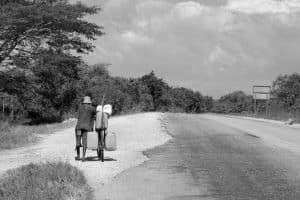
To ensure a safe and enjoyable journey along the T7 Highway, consider the following safety precautions and travel essentials:
- Vehicle Maintenance: Ensure your vehicle is in good condition, with a reliable spare tire, jack, and tools for minor repairs.
- Driving Conditions: Be cautious of the road conditions, as the T7 Highway can be prone to potholes and unpredictable weather conditions, especially during the rainy season.
- Emergency Contacts: Familiarize yourself with emergency contact numbers, such as the local police, hospitals, and roadside assistance services.
- First Aid Kit: Pack a comprehensive first aid kit with essential medications, bandages, and other medical supplies.
- Sun Protection: Bring hats, sunglasses, and sunscreen to protect yourself from the strong equatorial sun.
- Insect Repellent: Use a reliable insect repellent to ward off mosquitoes and other biting insects, especially in areas near wetlands and forests.
- Communication: Ensure you have a reliable means of communication, such as a charged mobile phone and a local SIM card, to stay connected in case of emergencies.
- Travel Insurance: Consider purchasing comprehensive travel insurance to cover any unexpected medical expenses or trip interruptions.
By following these safety precautions and packing the necessary travel essentials, you can ensure a smooth and worry-free journey along the captivating T7 Highway.
Conclusion: Unforgettable memories and experiences on the T7 Highway
As you reach the end of your coastal adventure along the T7 Highway, you’ll be left with a profound sense of wonder and a deep appreciation for the rich cultural tapestry and natural beauty of Tanzania’s southern coast.
From the bustling energy of Dar es Salaam to the tranquil charm of Mingoyo, you’ve witnessed the diverse landscapes, vibrant communities, and captivating history that make this region truly special. The memories of exploring ancient Swahili ruins, indulging in mouthwatering local cuisine, and connecting with the friendly locals will undoubtedly stay with you long after your journey has ended.
As you bid farewell to the T7 Highway, remember that this coastal adventure is just the beginning of your exploration of Tanzania. Consider extending your trip to venture deeper into the country’s interior, where you can discover the awe-inspiring wonders of the Serengeti, the majestic Mount Kilimanjaro, and the stunning Ngorongoro Crater.
For more information on infrastructure click here!


