From Tanzania to South Africa: A Road Trip Adventure of a Lifetime
Embark on an unforgettable journey as we take you on a thrilling trip from Tanzania to South Africa by road. This epic adventure will introduce you to breathtaking landscapes, vibrant cultures, and unforgettable experiences. Get ready to witness the wonders of Africa and create memories that will last a lifetime.
Planning the Road Trip
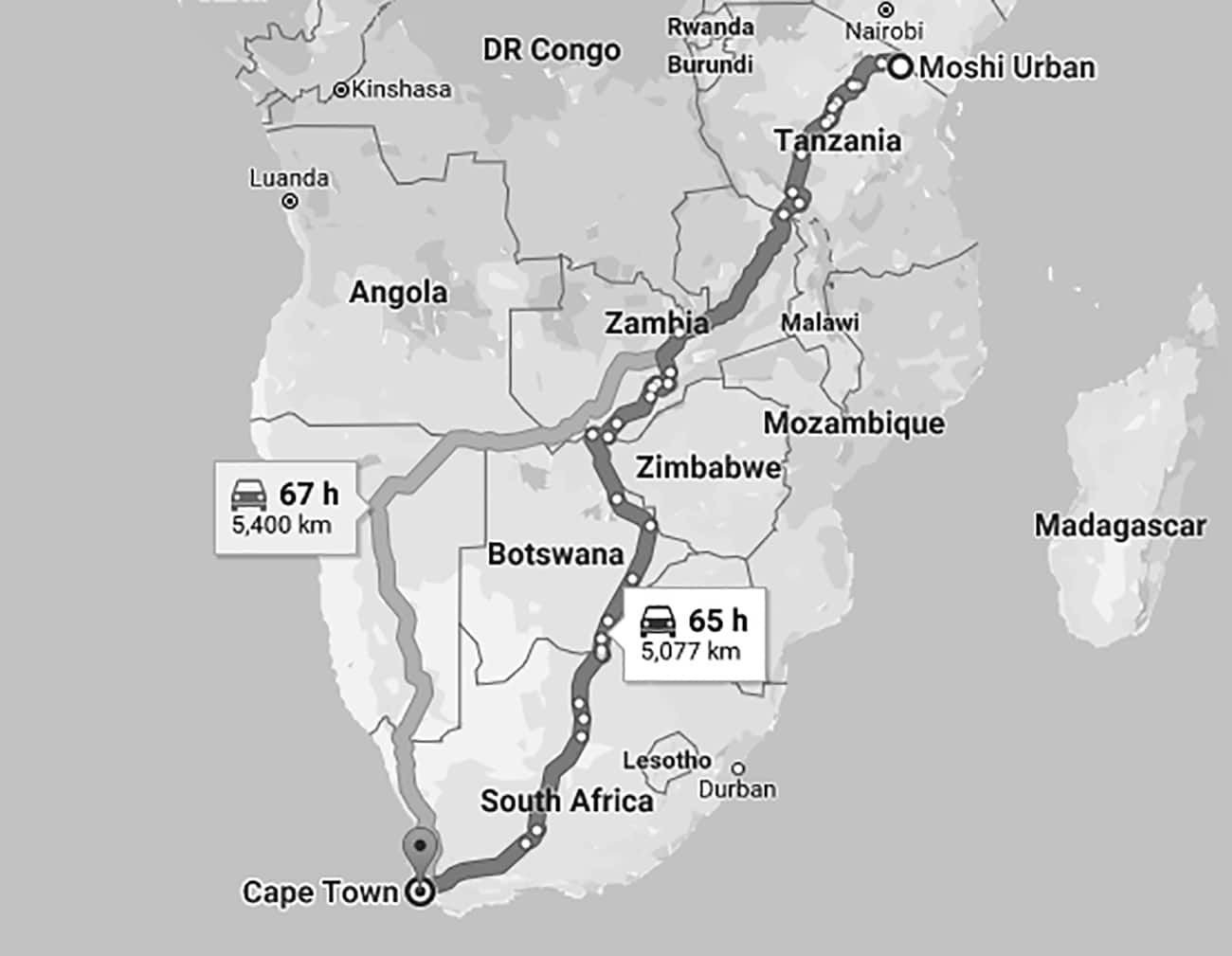
Before setting off on this incredible Tanzania to South Africa by road trip, it’s essential to plan your route, estimate the duration of the journey, and ensure you have all the necessary documents. The route from Tanzania to South Africa offers a variety of options, depending on your preferences and interests. One popular route is to start in Arusha, Tanzania, and head south through Zambia and Zimbabwe, eventually reaching Johannesburg and Cape Town in South Africa.
The duration of the road trip can vary depending on how much time you have and how many detours you choose to take along the way. A rough estimate would be around three weeks to a month to fully experience the highlights of each destination. Remember to check visa requirements and ensure your passport is valid for at least six months beyond your intended departure date.
Must-Visit Destinations Along the Way
As you embark on this Tanzania to South Africa by road trip, there are several must-visit destinations that will leave you in awe. The journey begins in Tanzania, where you’ll have the opportunity to explore the Serengeti National Park. This vast expanse of plains is home to the iconic wildebeest migration, a spectacle unlike any other in the world. Witnessing hundreds of thousands of wildebeest and zebras crossing the plains is a truly unforgettable experience.
Continuing south, you’ll reach Zimbabwe, where you’ll find one of the Seven Natural Wonders of the World, the majestic Victoria Falls. Prepare to be amazed as you witness the sheer power and beauty of the falls, with water cascading down over a hundred meters. Take a thrilling helicopter ride or get up close and personal with a boat tour, feeling the mist on your face as you navigate the Zambezi River.
Next on the itinerary is Botswana, where you’ll encounter the magnificent Okavango Delta. This unique ecosystem is a haven for wildlife and offers incredible opportunities for game drives, mokoro (traditional canoe) safaris, and walking safaris. Immerse yourself in the tranquility of the delta as you spot elephants, giraffes, lions, and an array of bird species.
Road Trip Essentials
As with any road trip, it’s important to be prepared with the essentials. Create a packing list that includes comfortable clothing, sturdy shoes, toiletries, and any necessary medications. Don’t forget your camera to capture the stunning landscapes and wildlife encounters along the way. It’s also crucial to ensure your vehicle is in good condition before embarking on the journey. Get a thorough check-up, including tire pressure, engine oil, and brakes. Bring a spare tire and tools for any potential emergencies.
Safety should be a top priority throughout the road trip. Familiarize yourself with the local driving laws and road conditions of each country you’ll be passing through. Be cautious of wildlife crossing the road in national parks and game reserves. Keep your vehicle locked when parked and never leave valuables unattended. It’s also advisable to have a first aid kit on hand for any minor injuries or illnesses that may occur during the trip.
Experiencing the Local Culture

One of the most enriching aspects of Tanzania to South Africa by road trip is the opportunity to experience the local culture. Along the way, you’ll have the chance to visit traditional villages and interact with the locals. Embrace the warm hospitality as you learn about their traditions, customs, and way of life. Sample the local cuisine, which varies from region to region. Taste the flavors of Tanzanian stews, Zimbabwean biltong, and South African braai (barbecue). If your timing aligns, try to attend cultural festivals and events, immersing yourself in the vibrant celebrations and traditional dances.
Wildlife Encounters
No African road trip would be complete without unforgettable wildlife encounters. From the Serengeti to the Okavango Delta, you’ll have ample opportunities to spot some of Africa’s most iconic animals. Take part in safari game drives, led by experienced guides who will share their knowledge and ensure you get up close to the wildlife. Keep your eyes peeled for lions, elephants, rhinos, leopards, and countless other species that call these regions home. Consider visiting game reserves and conservation areas to support ongoing efforts to protect and conserve Africa’s incredible biodiversity.
Road Trip Challenges
While this road trip promises incredible experiences, it’s important to be aware of the potential challenges that may arise. Border crossings can sometimes be time-consuming, so be prepared for delays and have all necessary documents ready. Road conditions can vary from well-maintained highways to rough dirt roads, so adjust your driving accordingly. Unexpected obstacles such as wildlife on the road or mechanical issues can occur, so it’s essential to remain calm and have a plan in place. Stay informed about the current political and safety situations of the countries you’ll be passing through to ensure a smooth journey.
Capturing Memories

Throughout this road trip, you’ll undoubtedly want to capture the breathtaking scenery and incredible experiences. Photography enthusiasts should come prepared with the right gear, including a versatile lens, extra memory cards, and spare batteries. Make use of the golden hours during sunrise and sunset for the best lighting conditions. Experiment with different angles and perspectives to bring your photos to life. Don’t forget to put the camera down occasionally and fully immerse yourself in the moment, as some memories are best kept in your heart rather than on a memory card.
Budgeting for the Road Trip
Budgeting for a road trip of this magnitude is essential to ensure you have a stress-free journey. Accommodation options vary from camping in national parks to luxurious lodges and hotels. Research and book in advance to secure the best rates. Food expenses can be managed by opting for self-catering options or trying local street food. Don’t forget to factor in miscellaneous costs such as fuel, park entrance fees, and any additional activities or excursions you plan to undertake. It’s advisable to have some extra cash on hand for emergencies or unforeseen circumstances.
As you reflect on the incredible journey, you’ll realize that this Tanzania to South Africa by road trip truly is the adventure of a lifetime. From witnessing the wildebeest migration in the Serengeti to standing in awe of Victoria Falls and exploring the Okavango Delta, each destination offers its own unique charm and unforgettable experiences. The road trip challenges only add to the sense of adventure, and the memories you make along the way will stay with you forever. So, pack your bags, buckle up, and get ready to embark on this thrilling road trip through the heart of Africa. The journey awaits.
For more information on infrastructure click here!


![Understanding Road Signs in Tanzania: A Comprehensive Guide to Navigating Safely "Understanding Road Signs in Tanzania: A Comprehensive Guide to Navigating Safely Photo by geralt on Pixabay "## Introduction to Road Signs in Tanzania As you prepare to explore the vibrant landscapes and bustling cities of Tanzania, familiarizing yourself with the country's road signs is an essential step towards a safe and enjoyable journey. Tanzania's road network is extensive, winding through diverse terrain, from the iconic Serengeti to the towering Mount Kilimanjaro. Understanding the unique road signs and traffic regulations in Tanzania will empower you to navigate these roads confidently, ensuring a seamless and secure travel experience. Importance of Understanding Road Signs Road signs in Tanzania serve as crucial guideposts, informing drivers and pedestrians of essential information, regulations, and potential hazards. By familiarizing yourself with the various types of road signs and their meanings, you can better anticipate and respond to traffic situations, making informed decisions that prioritize safety. This knowledge not only enhances your personal well-being but also contributes to the overall safety of all road users, fostering a more harmonious and efficient transportation system in Tanzania. Regulatory Road Signs in Tanzania Regulatory road signs in Tanzania are designed to inform drivers and pedestrians of the rules and laws that must be followed on the roads. These signs are typically circular in shape and use a combination of symbols, text, and colors to convey their message. Some common examples include: Speed Limit Signs: These signs indicate the maximum speed limit allowed on a particular road section, ensuring the safe flow of traffic. Stop Signs: Octagonal in shape, these signs require drivers to come to a complete stop before proceeding. One-Way Signs: These signs clearly indicate the direction of traffic flow, helping to maintain order and prevent collisions. No Entry Signs: Triangular in shape, these signs prohibit vehicles from entering a specific road or area. Familiarizing yourself with these regulatory signs and strictly adhering to their instructions is crucial for maintaining safety and avoiding potential fines or legal consequences. Warning Road Signs in Tanzania Warning road signs in Tanzania are designed to alert drivers and pedestrians to potential hazards or upcoming changes in road conditions. These signs are typically diamond-shaped and use a combination of symbols, text, and colors to convey their message. Some common examples include: Curve Signs: These signs warn drivers of an upcoming curve in the road, allowing them to adjust their speed and maneuver accordingly. Pedestrian Crossing Signs: These signs indicate the presence of a designated pedestrian crossing, reminding drivers to be vigilant and yield to pedestrians. Slippery Road Signs: These signs warn drivers of potentially slippery road conditions, such as during wet weather or on unpaved surfaces, prompting them to exercise caution. Steep Gradient Signs: These signs alert drivers to an upcoming steep incline or decline, allowing them to prepare their vehicles for the change in terrain. By recognizing and heeding these warning signs, you can anticipate potential hazards and adjust your driving behavior to ensure a safe journey. Informational Road Signs in Tanzania Informational road signs in Tanzania provide drivers and pedestrians with valuable guidance and assistance. These signs are typically rectangular in shape and use a combination of symbols, text, and colors to convey their message. Some common examples include: Direction Signs: These signs indicate the direction and distance to various destinations, helping you navigate the road network. Place Name Signs: These signs identify the names of cities, towns, and villages, allowing you to orient yourself and plan your route accordingly. Tourist Attraction Signs: These signs highlight the locations of popular tourist destinations, making it easier for you to access and explore the country's natural and cultural wonders. Service Signs: These signs indicate the availability of essential services, such as gas stations, rest areas, and hospitals, ensuring you can access the resources you need during your travels. By familiarizing yourself with these informational signs, you can plan your journey more effectively, make informed decisions, and enjoy a seamless and enriching travel experience in Tanzania. Understanding Road Markings in Tanzania In addition to road signs, understanding the road markings in Tanzania is crucial for safe navigation. These markings are painted on the road surface and provide visual cues to drivers and pedestrians. Some common examples include: Lane Markings: These lines, both solid and dashed, delineate the boundaries of traffic lanes, helping to maintain order and prevent collisions. Crosswalk Markings: These markings indicate designated pedestrian crossing areas, alerting drivers to the presence of pedestrians and their right-of-way. Stop Lines: These solid lines across the road surface signal the point at which drivers must come to a complete stop. Center Lines: These lines, either solid or dashed, separate opposing directions of traffic flow, guiding drivers and preventing head-on collisions. By being attentive to these road markings and following their instructions, you can navigate the Tanzanian roads with greater confidence and safety. Tips for Navigating Safely on Tanzanian Roads To ensure a safe and enjoyable journey on Tanzanian roads, consider the following tips: Familiarize Yourself with the Road Signs: Before your trip, take the time to review and understand the various types of road signs you may encounter in Tanzania. This will help you anticipate and respond to traffic situations more effectively. Observe the Speed Limits: Adhere to the posted speed limits, as they are in place to maintain the safety of all road users. Speeding can not only result in fines but also significantly increase the risk of accidents. Be Vigilant for Pedestrians and Wildlife: Tanzania's roads often traverse areas with high pedestrian activity and the occasional presence of wildlife. Remain alert and prepared to react accordingly to avoid collisions. Adapt to Changing Road Conditions: Tanzanian roads can be affected by weather, construction, or other factors that may require you to adjust your driving behavior. Stay attentive to road signs and markings, and be prepared to slow down or take alternative routes when necessary. Respect Traffic Signals and Signs: Strictly follow all traffic signals, stop signs, and other regulatory signs to ensure the safety of yourself and others on the road. Stay Focused and Avoid Distractions: Driving in Tanzania requires your full attention. Refrain from using your mobile phone, adjusting the radio, or engaging in other activities that could divert your focus from the road. By incorporating these tips into your driving habits, you can navigate the Tanzanian roads with confidence and contribute to the overall safety of the transportation network. Road Sign Recognition Quiz Test your knowledge of Tanzanian road signs by taking this interactive quiz: What does this sign indicate? [Image of a stop sign] Which sign warns drivers of an upcoming curve in the road? [Image of a curve warning sign] How would you interpret this road marking? [Image of a pedestrian crossing] What is the meaning of this informational sign? [Image of a direction sign] Answers: This octagonal sign indicates that drivers must come to a complete stop before proceeding. The diamond-shaped sign with a curved arrow warns drivers of an upcoming curve in the road. The parallel lines painted on the road surface mark a designated pedestrian crossing, where drivers must yield to pedestrians. This rectangular sign provides directional information, indicating the distance and direction to various destinations. Resources for Learning More about Road Signs in Tanzania If you'd like to further enhance your knowledge of road signs in Tanzania, consider exploring the following resources: The official website of the Tanzanian Road Traffic Act, which outlines the country's traffic laws and regulations: [www.tanroads.go.tz/traffic-act] The Tanzanian National Roads Agency's guide to road signs and markings: [www.tanroads.go.tz/road-signs] Online tutorials and videos that demonstrate the meanings of common Tanzanian road signs: [www.youtube.com/tanzaniaroadsigns] Travel blogs and forums that provide firsthand accounts and tips from travelers who have navigated the Tanzanian road network: [www.travelforums.com/tanzania-roads] By understanding the road signs and traffic regulations in Tanzania, you can navigate the country's roads with confidence and ensure a safe and enjoyable travel experience. To learn more about planning your trip to Tanzania, be sure to check out our comprehensive travel guides and resources. Start planning your adventure today! Conclusion Navigating the roads of Tanzania requires a keen understanding of the country's unique road signs and traffic regulations. By familiarizing yourself with the various types of regulatory, warning, and informational signs, as well as the road markings, you can confidently and safely explore the diverse landscapes and vibrant cities that Tanzania has to offer. Remember to observe speed limits, stay vigilant for pedestrians and wildlife, and respect all traffic signals and signs. With this knowledge in hand, you can embark on your Tanzanian journey with the peace of mind that comes from being a responsible and informed road user. Regulatory and informational road signs in Tanzania including stop sign speed limits and directions](https://unitedrepublicoftanzania.com/wp-content/uploads/2024/08/Signs-in-Tanzania-218x150.jpg)


