Tanzania Road Network – Highways, Feeding and International Roads
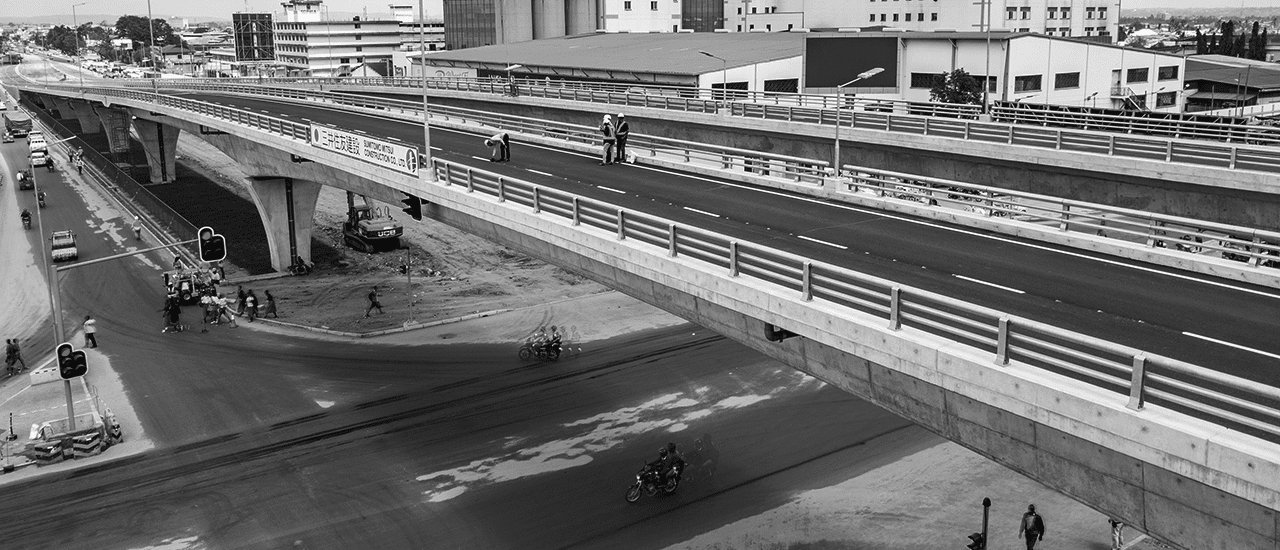
Tanzania road network is 86,472 km (53,731 mi) in length where 12,789 km (7,945 mi) is classified as highway and 21,105 km (13,114 km) as regional roads.
Roads
Tanzania Roads Agency (TANROADS) – The main road agency under the ministry of labor, transport and communications – came into operation in July 2000 and is the agency responsible for the improvement and development of highways and the regional road network in mainland Tanzania. The total road network in Tanzania identified in mainland of the country is 86,472 Kilometers (53,731 miles) according to the Roads Act of 2007. The Ministry of Labor through the Roads Agency (TANROADS) oversees the road network in Tanzania which is approximately 33,891 km (21,059 miles) ), comprising 12786 kilometers (6,945 miles) of highways and 21,105 kilometers (13,114 miles) regional roads. The remaining Tanzania road network is approximately 53,460 kilometers (33,220 miles) of the urban zone. District and dusty roads are under the supervision of the Office of the Prime Minister Regional Administration and Local Government.
In 2007, there were 91,049 kilometers (56,575 miles) roads including 6,578 kilometers (4,087 miles) of paved roads. The Tanzania road network ranks 51st in height in the world.
Highways
- Dar es salaam and Dodoma (451 km (280 miles) all paved): Road A-7 connecting Dar es salaam and Morogoro then B – 129 road connects Morogoro and Dodoma
- Dar es salaam and Iringa (492 km (306 miles) both paved): Road A-7 connects the cities
- Dar es salaam and Tanga (354 km (220 miles) both paved). Road A-7 connects Dar es Salaam with Chalinze and then A-14 connects Chalinze with Tanga
- Dar es salaam and Mtwara (556 km (345 miles) both paved) .B-2 connects the cities
The remaining section of road in Dar es Salaam is paved. The Mkapa Bridge is located on this stretch of stretch to the Rufiji River.
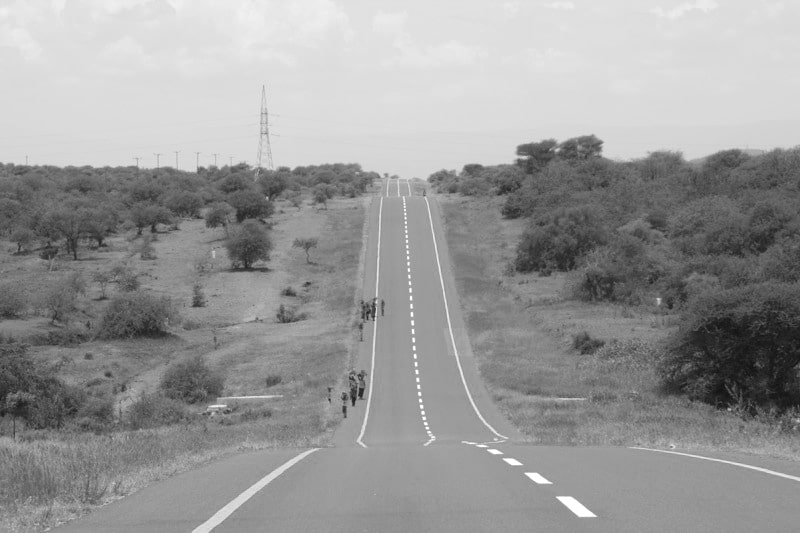
- Tanga and Arusha (435 km (270 miles) all paved): A-14 road connects Tanga to Segera, from the point where B-2 connects the end of the road to the Himo junction. Road A-23 follows and heads towards west of Moshi and Arusha.
- Dodoma and Mwanza on Lake Victoria (701 km (436 miles) both paved). B-129 is heads toward west of Manyoni followed by B-141 road north of Singida, starting with B-141 road north of Singida, followed by B-3 road further west of Nzega. The last piece is on the B-6 road through Shinyanga towards Mwanza
- Dar es salaam and the Rwandan border at Rusomo Falls (1,281 km (796 miles) all paved): From Nzega in the Tabora region the B-3 road runs to the border with Rwanda (380 km (240 km)
- Kigoma and Burundi border in Manyovu: all roads are paved
- Mwanza and Musoma (218 km (135 miles) both paved): Road B connects all the cities then continues west to the border with Kenya
- Arusha and Namanga on the Kenyan border (106 km (66 miles): The A -104 road is all paved
- Iringa and Mbeya (330 km (210 miles) both paved): The A-104 road connects the cities, with Tunduma on the border with Zambia.
Tanzania’s main roads are identified by numbers that follow the two-level number system preceded by A- and B-, as is the case throughout East Africa. The following are lists of Tanzania’s main roads. Tanzania has now introduced a number system for highways that start with “T” but so far the selection of “A” is widespread.
| Road # | Length | Network | Via | Status | Further Comments: |
|---|---|---|---|---|---|
| A7 | 492 km | Dar es Salaam – Iringa | Chalinze – Morogoro – Mikumi | Paved | |
| A14 | 315 km | Chalinze – Horohoro | Segera – Tanga | Paved | Goes towards Kenya as far as Mombasa |
| A19 | 620 km | Masasi – Mbamba Bay | Tunduru – Songea – Mbinga | Paved/Unpaved | Paved: Masasi – Ngomano (56 km) and Namtumbo – Mbinga (168 km) |
| A23 | 117 km | Arusha – Holili | Moshi | Paved | It continues within Kenya up to Voi |
| A104 | 1,218 km | Tunduma- Namanga | Mbeya – Iringa – Dodoma – Kondoa – Arusha | Paved | The entire Cairo-Cape Town Highway, recently paved: Dodoma – Babati (257 km) |
| B1 | 263 km | Segera – Himo | Paved | It connects A14 and A23 | |
| B2 | 561 km | Dar es Salaam – Mtwara | Kilwa – Lindi | Paved | It is paved 30 km to Kilwa Masoko from Nangurukuru |
| B3 | 625 km | Singida – Rusumo Falls | Nzega – Isaka – Kahama | Paved | It serves as B6 Nzega – Tinde (42 km), and continues as RN3 within Rwanda to Kigali |
| B4 | 293 km | Makambako – Songea | Njombe | Paved | |
| B5 | 120 km | Mingoyo – Masasi | Paved | It connects B2 to A19 | |
| B6 | 1,071 km | Makogolosi – Sirari | Rungwa – Tabora – Shinyanga – Mwanza | Paved/Unpaved | Imewekwa lami: Nzega – Sirari (kilometa 524), Inatandaa na B3 Nzega – Tinde (42 km)
Paved: Nzega – Sirari (524 km), Paved by B3 Nzega – Tinde (42 km) |
| B8 | 1,128 km | Kasesha – Mutukula | Sumbawanga – Mpanda – Kasulu – Biharamulo – Bukoba | Paved/Unpaved | Paved: Lusahunga (B3) – Mutukula (287 km) |
| B129 | 388 km | Morogoro – Manyoni | Dodoma | Paved | |
| B141 | 308 km | Rungwa – SIngida | Itigi – Manyoni | Paved/Unpaved | Paved: Itigi – Singida (160 km) |
| B143 | 151 km | Singida – Babati | Paved | ||
| B144 | 390 km | Makuyuni – Kukirango | Karatu – Ngorongoro – Serengeti National Park | Paved/Unpaved | Paved: Makuyuni – Ngorongoro (79 km), the rest cannot be paved because it is a national park |
| B163 | 230 km | Usagara – Biharamulo | Sengerema – Geita | Paved/Unpaved | Unpaved: Bwanga – Biharamulo (68 km), asphalt has started and passed through Chato to Bukoba |
| B182 | 171 km | Nyakasanza – Kyaka | Kimisi – Burigi Game Reserve – Omurushaka | Paved/Unpaved | Paved: Omurushaka – Kyaka (57 km), connects B3 to B8 |
| B182 W | 111 km | Omurushaka – Murongo | Unpaved | It is divided from B182 and continues along the Murongo border into Uganda | |
| 173 km | Bulahu – Lamadai | Bariadi | Paved/Unpaved | Paved: Bariadi – Lamadai (72 km), and is known as the main road by TANROADS but has no numbers. | |
| 59 km | Nyakasanza – Kobero | Ngara – Kabanga | Paved | It is divided from B3 to the Kobero border into Burundi, and continues as RN6 in front |
Regional Roads
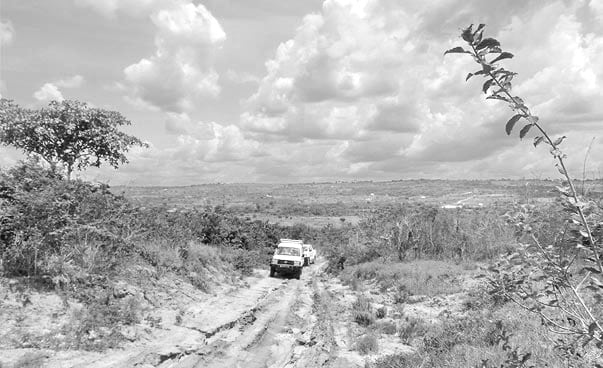
- Mtwara Region: paved roads connecting Mtwara and Masasi and from there to near Nangoma. Unpaved roads lead to Mtambaswala and a modern bridge on the Mozambique border. In 2012 the African Development Bank approved a road rehabilitation loan, which was followed by an additional 7.659 billion yen ($ 77.9 million) also from Japan
- The western regions have the worst services, with no main tarmac roads except Kigoma city and Ujiji. southwest of the Nyakanyazi junction near Kibondo in the northwest, about 1000 km no highway inland
International Highways
Cairo-Capetown Highway, Highway # 4 on the African Highway network north of Namanga on the Kenyan border and the Zambian border at Tunduma in the southwest, via Arusha, Dodoma, Iringa and Mbeya. The entrance to the Tarangire and Iringa National Parks, which have recently been paved between Babati-Kondoa-Dodoma-Iringa. There is currently no need to travel through the long east road from Arusha to Iringa via Moshi and Morogoro is paved. This route is 921 km (572 miles) compared to 689 km (428 miles) via Arusha-Dodoma-Iringa.
To the southwest from Iringa to Tunduma, the Cairo-Capetown highway follows Tanzania’s main road linking Zambia with Dar es Salaam.
Last but not the least, please note the road networks in Tanzania has always been under constant improvements as the economy of the country continues to grow rapidly, and one of the recent updates have been associated with the implementation of the new project “The Dar es Salaam rapid bus transit system (Dar es Salaam BRT)“. A ton of changes had to be made on local roads of the Dar es salaam city.
For more information on infrastructure click here!


![Understanding Road Signs in Tanzania: A Comprehensive Guide to Navigating Safely "Understanding Road Signs in Tanzania: A Comprehensive Guide to Navigating Safely Photo by geralt on Pixabay "## Introduction to Road Signs in Tanzania As you prepare to explore the vibrant landscapes and bustling cities of Tanzania, familiarizing yourself with the country's road signs is an essential step towards a safe and enjoyable journey. Tanzania's road network is extensive, winding through diverse terrain, from the iconic Serengeti to the towering Mount Kilimanjaro. Understanding the unique road signs and traffic regulations in Tanzania will empower you to navigate these roads confidently, ensuring a seamless and secure travel experience. Importance of Understanding Road Signs Road signs in Tanzania serve as crucial guideposts, informing drivers and pedestrians of essential information, regulations, and potential hazards. By familiarizing yourself with the various types of road signs and their meanings, you can better anticipate and respond to traffic situations, making informed decisions that prioritize safety. This knowledge not only enhances your personal well-being but also contributes to the overall safety of all road users, fostering a more harmonious and efficient transportation system in Tanzania. Regulatory Road Signs in Tanzania Regulatory road signs in Tanzania are designed to inform drivers and pedestrians of the rules and laws that must be followed on the roads. These signs are typically circular in shape and use a combination of symbols, text, and colors to convey their message. Some common examples include: Speed Limit Signs: These signs indicate the maximum speed limit allowed on a particular road section, ensuring the safe flow of traffic. Stop Signs: Octagonal in shape, these signs require drivers to come to a complete stop before proceeding. One-Way Signs: These signs clearly indicate the direction of traffic flow, helping to maintain order and prevent collisions. No Entry Signs: Triangular in shape, these signs prohibit vehicles from entering a specific road or area. Familiarizing yourself with these regulatory signs and strictly adhering to their instructions is crucial for maintaining safety and avoiding potential fines or legal consequences. Warning Road Signs in Tanzania Warning road signs in Tanzania are designed to alert drivers and pedestrians to potential hazards or upcoming changes in road conditions. These signs are typically diamond-shaped and use a combination of symbols, text, and colors to convey their message. Some common examples include: Curve Signs: These signs warn drivers of an upcoming curve in the road, allowing them to adjust their speed and maneuver accordingly. Pedestrian Crossing Signs: These signs indicate the presence of a designated pedestrian crossing, reminding drivers to be vigilant and yield to pedestrians. Slippery Road Signs: These signs warn drivers of potentially slippery road conditions, such as during wet weather or on unpaved surfaces, prompting them to exercise caution. Steep Gradient Signs: These signs alert drivers to an upcoming steep incline or decline, allowing them to prepare their vehicles for the change in terrain. By recognizing and heeding these warning signs, you can anticipate potential hazards and adjust your driving behavior to ensure a safe journey. Informational Road Signs in Tanzania Informational road signs in Tanzania provide drivers and pedestrians with valuable guidance and assistance. These signs are typically rectangular in shape and use a combination of symbols, text, and colors to convey their message. Some common examples include: Direction Signs: These signs indicate the direction and distance to various destinations, helping you navigate the road network. Place Name Signs: These signs identify the names of cities, towns, and villages, allowing you to orient yourself and plan your route accordingly. Tourist Attraction Signs: These signs highlight the locations of popular tourist destinations, making it easier for you to access and explore the country's natural and cultural wonders. Service Signs: These signs indicate the availability of essential services, such as gas stations, rest areas, and hospitals, ensuring you can access the resources you need during your travels. By familiarizing yourself with these informational signs, you can plan your journey more effectively, make informed decisions, and enjoy a seamless and enriching travel experience in Tanzania. Understanding Road Markings in Tanzania In addition to road signs, understanding the road markings in Tanzania is crucial for safe navigation. These markings are painted on the road surface and provide visual cues to drivers and pedestrians. Some common examples include: Lane Markings: These lines, both solid and dashed, delineate the boundaries of traffic lanes, helping to maintain order and prevent collisions. Crosswalk Markings: These markings indicate designated pedestrian crossing areas, alerting drivers to the presence of pedestrians and their right-of-way. Stop Lines: These solid lines across the road surface signal the point at which drivers must come to a complete stop. Center Lines: These lines, either solid or dashed, separate opposing directions of traffic flow, guiding drivers and preventing head-on collisions. By being attentive to these road markings and following their instructions, you can navigate the Tanzanian roads with greater confidence and safety. Tips for Navigating Safely on Tanzanian Roads To ensure a safe and enjoyable journey on Tanzanian roads, consider the following tips: Familiarize Yourself with the Road Signs: Before your trip, take the time to review and understand the various types of road signs you may encounter in Tanzania. This will help you anticipate and respond to traffic situations more effectively. Observe the Speed Limits: Adhere to the posted speed limits, as they are in place to maintain the safety of all road users. Speeding can not only result in fines but also significantly increase the risk of accidents. Be Vigilant for Pedestrians and Wildlife: Tanzania's roads often traverse areas with high pedestrian activity and the occasional presence of wildlife. Remain alert and prepared to react accordingly to avoid collisions. Adapt to Changing Road Conditions: Tanzanian roads can be affected by weather, construction, or other factors that may require you to adjust your driving behavior. Stay attentive to road signs and markings, and be prepared to slow down or take alternative routes when necessary. Respect Traffic Signals and Signs: Strictly follow all traffic signals, stop signs, and other regulatory signs to ensure the safety of yourself and others on the road. Stay Focused and Avoid Distractions: Driving in Tanzania requires your full attention. Refrain from using your mobile phone, adjusting the radio, or engaging in other activities that could divert your focus from the road. By incorporating these tips into your driving habits, you can navigate the Tanzanian roads with confidence and contribute to the overall safety of the transportation network. Road Sign Recognition Quiz Test your knowledge of Tanzanian road signs by taking this interactive quiz: What does this sign indicate? [Image of a stop sign] Which sign warns drivers of an upcoming curve in the road? [Image of a curve warning sign] How would you interpret this road marking? [Image of a pedestrian crossing] What is the meaning of this informational sign? [Image of a direction sign] Answers: This octagonal sign indicates that drivers must come to a complete stop before proceeding. The diamond-shaped sign with a curved arrow warns drivers of an upcoming curve in the road. The parallel lines painted on the road surface mark a designated pedestrian crossing, where drivers must yield to pedestrians. This rectangular sign provides directional information, indicating the distance and direction to various destinations. Resources for Learning More about Road Signs in Tanzania If you'd like to further enhance your knowledge of road signs in Tanzania, consider exploring the following resources: The official website of the Tanzanian Road Traffic Act, which outlines the country's traffic laws and regulations: [www.tanroads.go.tz/traffic-act] The Tanzanian National Roads Agency's guide to road signs and markings: [www.tanroads.go.tz/road-signs] Online tutorials and videos that demonstrate the meanings of common Tanzanian road signs: [www.youtube.com/tanzaniaroadsigns] Travel blogs and forums that provide firsthand accounts and tips from travelers who have navigated the Tanzanian road network: [www.travelforums.com/tanzania-roads] By understanding the road signs and traffic regulations in Tanzania, you can navigate the country's roads with confidence and ensure a safe and enjoyable travel experience. To learn more about planning your trip to Tanzania, be sure to check out our comprehensive travel guides and resources. Start planning your adventure today! Conclusion Navigating the roads of Tanzania requires a keen understanding of the country's unique road signs and traffic regulations. By familiarizing yourself with the various types of regulatory, warning, and informational signs, as well as the road markings, you can confidently and safely explore the diverse landscapes and vibrant cities that Tanzania has to offer. Remember to observe speed limits, stay vigilant for pedestrians and wildlife, and respect all traffic signals and signs. With this knowledge in hand, you can embark on your Tanzanian journey with the peace of mind that comes from being a responsible and informed road user. Regulatory and informational road signs in Tanzania including stop sign speed limits and directions](https://unitedrepublicoftanzania.com/wp-content/uploads/2024/08/Signs-in-Tanzania-218x150.jpg)


